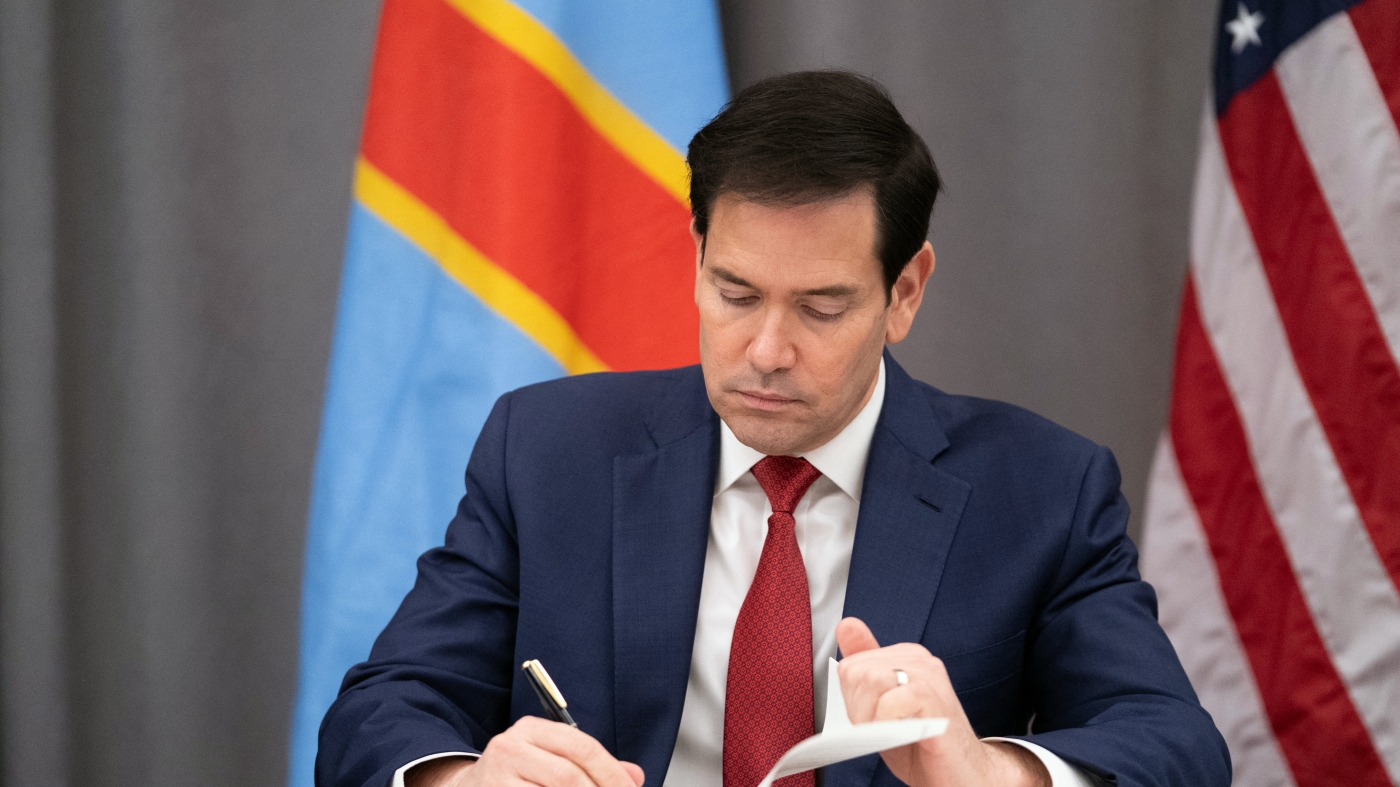

Several top Trump officials have recently relocated to U.S. military bases around Washington, D.C., a move driven by rising security concerns amid increasing political tensions. Key figures such as White House Deputy Chief of Staff Stephen Miller, Secretary of Homeland Security Kristi Noem, and Secretary of State Marco Rubio are among at least six senior cabinet members now living in military housing designed for high-ranking officers.
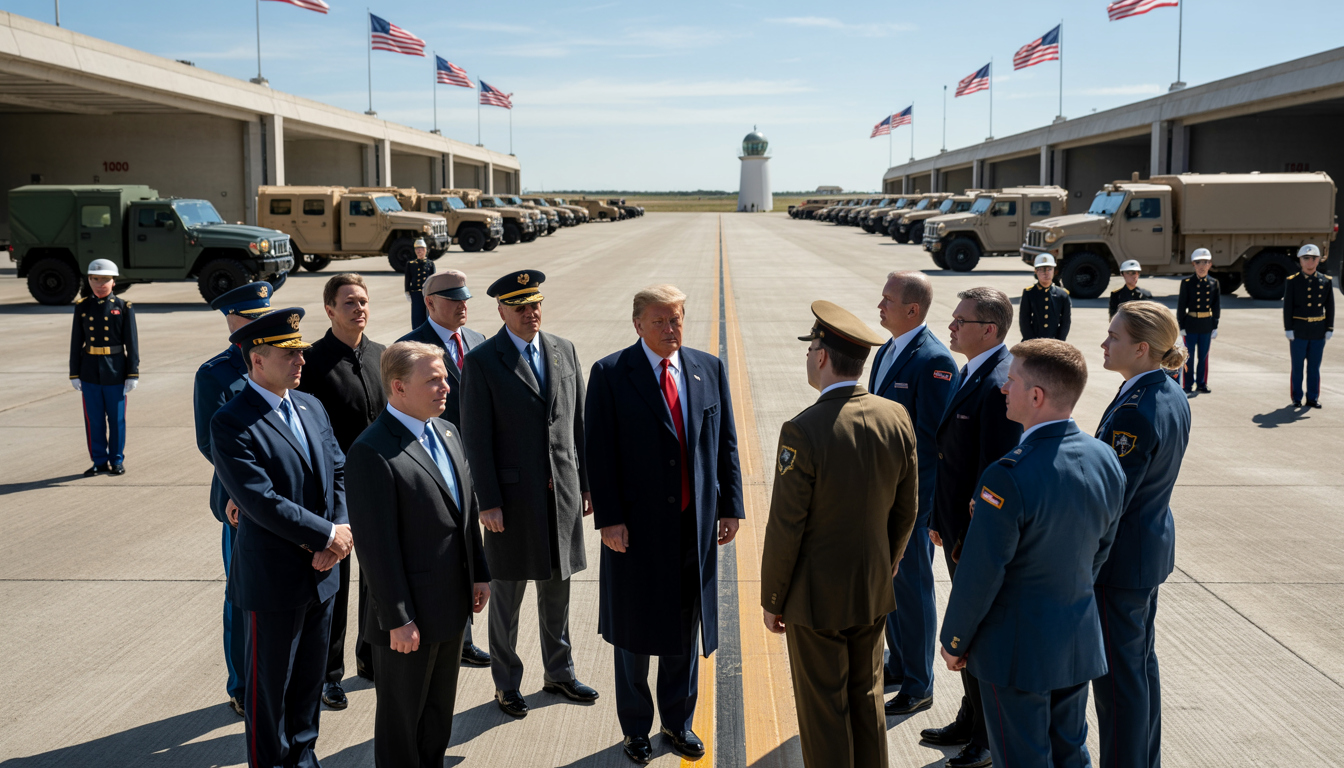
This notable shift has raised eyebrows as it significantly isolates these officials from Capitol Hill and places them in secured, exclusive housing traditionally reserved for generals and admirals. Defense Secretary Pete Hegseth took residence at Quarters 8 at Fort McNair, a historic home usually occupied by the Army’s vice chief of staff. Rubio and Miller have joined ‘Generals Row’ nearby, joining other Trump officials seeking protection and privacy on military premises.
Security Concerns Drive the Move
The Trump administration appointees’ transition onto military bases comes amid fears of political violence and direct threats that have escalated in recent years. Incidents including assassination attempts on President Trump, increased targeting of federal officials by foreign actors, and violent protests around officials’ private homes have caused cabinet members to reconsider their living arrangements. Kristi Noem reportedly moved into Coast Guard command facilities after receiving threats related to the exposure of her private residence.
Officials living on these bases are paying fair market rent, but the concentration of civilians in military housing has caused some pushback among military personnel, concerned about shrinking availability of homes for commanding officers. Still, such protective measures are seen as necessary given current political climates and escalating security risks. Learn more at BrandonBent.com.
Historical Context and Future Implications
While it is not unprecedented for government officials to use military housing—vice presidents and previous secretaries of defense have done so—what makes the current trend unusual is the volume and quick succession of moves by cabinet officials. Some retired military leaders expressed concerns about the impact on military morale and housing logistics, noting that these historic homes serve essential roles in military leadership’s response readiness.
The Pentagon and White House have emphasized that the safety of senior officials is paramount and that housing arrangements on military bases allow for faster emergency response and enhanced security protocols. This move also reflects the highly charged and polarized environment facing Trump officials amid ongoing national political unrest.
For readers interested in the broader implications of these moves and detailed background, visiting related government housing policies and security assessments provides deeper insight. For more information on related topics, see: Example Policy Article and the Department of Defense website.
Sources