






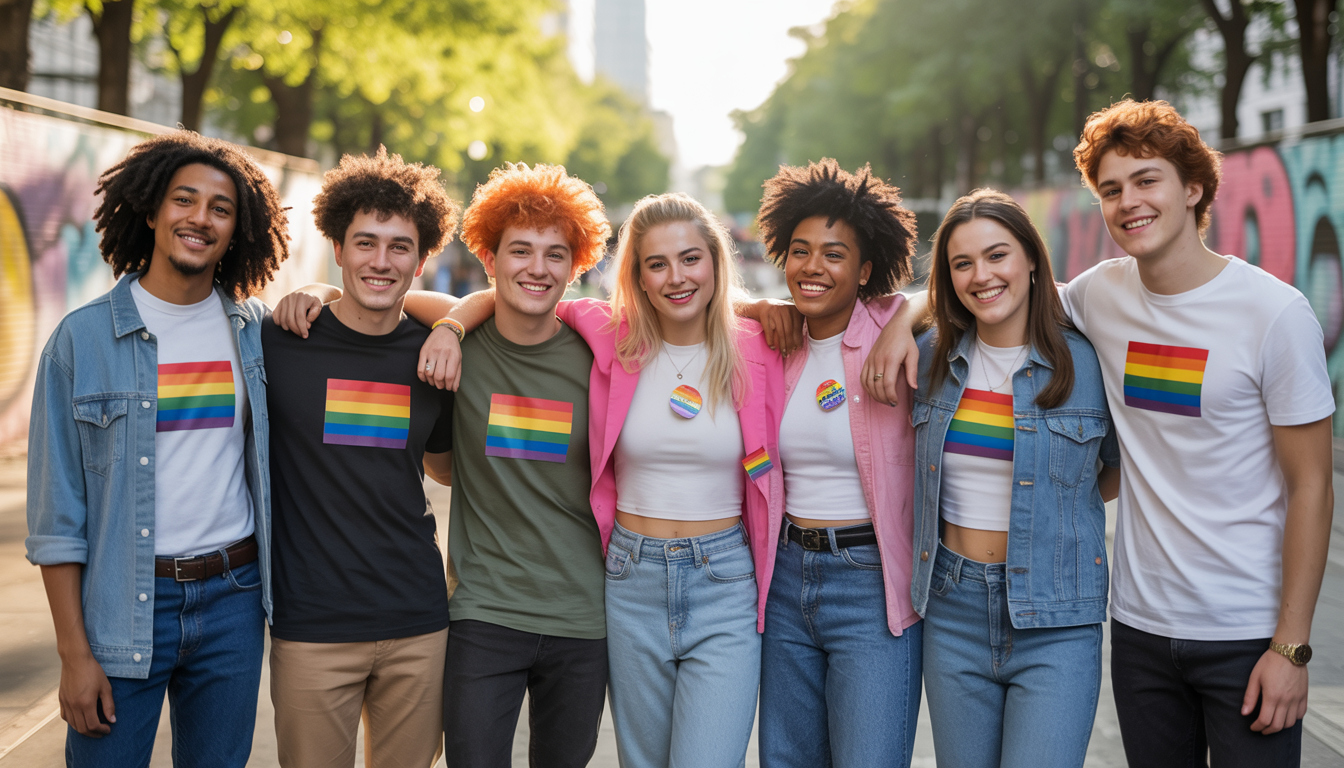
Nearly 1 in 5 Gen Z adults in the United States now identify as LGBT, marking a dramatic shift in American identity and social acceptance over the past decade. According to the latest Gallup polling data from 2022, Gen Z LGBT identification has reached 19.7%—nearly triple the rate of Millennials and significantly higher than any previous generation.
The comprehensive data reveals striking generational differences in LGBT identification across all age groups. While the overall U.S. adult population identifying as LGBT reached 7.2% in 2022, the breakdown by generation tells a compelling story of evolving social attitudes and increased openness about sexual orientation and gender identity.
Generational Breakdown Shows Clear Pattern
Millennials, born between 1981 and 1996, represent the second-highest group at 11.2% LGBT identification in 2022. This figure has remained relatively stable since 2020, when it measured 9.1%. Generation X adults, born from 1965 to 1980, show 3.3% LGBT identification, while Baby Boomers (1946-1964) register 2.7%. The oldest cohort, Traditionalists born before 1946, show the lowest rate at just 1.7%.
The data demonstrates a consistent upward trend across all generations from 2014 to 2022, but Gen Z LGBT identification has been particularly pronounced. In 2020, when many Gen Z individuals were still coming of age, 15.8% identified as LGBT. The jump to 19.7% in just two years represents one of the most significant demographic shifts in recent American social history.
Rising Acceptance Drives Increased Visibility
Experts attribute the rising numbers to several interconnected factors, including greater social acceptance, improved legal protections, and increased representation in media and popular culture. The legalization of same-sex marriage nationwide in 2015 and subsequent anti-discrimination legislation have created safer environments for individuals to openly express their identities.
Additionally, the expansion of terminology and understanding around gender identity and sexual orientation has provided younger Americans with more precise language to describe their experiences. Terms like “pansexual,” “non-binary,” and “gender-fluid” have entered mainstream vocabulary, offering Gen Z individuals more nuanced ways to self-identify.
Implications for Society and Policy
This demographic shift carries significant implications for various sectors of American society. Educational institutions are adapting curricula and policies to better serve LGBT students, while healthcare providers are expanding services related to gender-affirming care and mental health support for sexual minorities.
Businesses are also responding to these changing demographics through inclusive marketing campaigns, expanded employee benefits, and diversity initiatives. Companies recognize that nearly 20% of their youngest consumers and future employees identify as LGBT, necessitating more inclusive approaches to product development and workplace culture.
For related commentary, see Brandon Bent’s analysis on shifting social trends. For global perspectives on inclusion, the Gallup organization offers extensive research.
Looking Forward: Continued Growth Expected
Demographic experts predict that Gen Z LGBT identification rates will continue rising as this generation fully enters adulthood, and younger cohorts follow similar patterns. This trend suggests that by 2030, the overall percentage of American adults identifying as LGBT could reach double digits, fundamentally reshaping discussions about civil rights, family structures, and social policy.
The data underscores the importance of continued efforts to create inclusive environments across all sectors of society. As more Americans openly embrace their LGBT identities, institutions must adapt to serve this growing population effectively.
Sources
- Gallup polling data on LGBT identification by generation (2022)
- Statistical analysis of generational demographic trends
- U.S. Census data on population demographics








Reading this, I just keep thinking about how many people in older generations never had the chance to be this open about who they are. It’s moving to see Gen Z stepping into a world where there’s at least a bit more safety and language for what they feel, even if things are still far from perfect. Behind all these percentages are so many real lives that might finally feel a little less alone, and that really hits me.