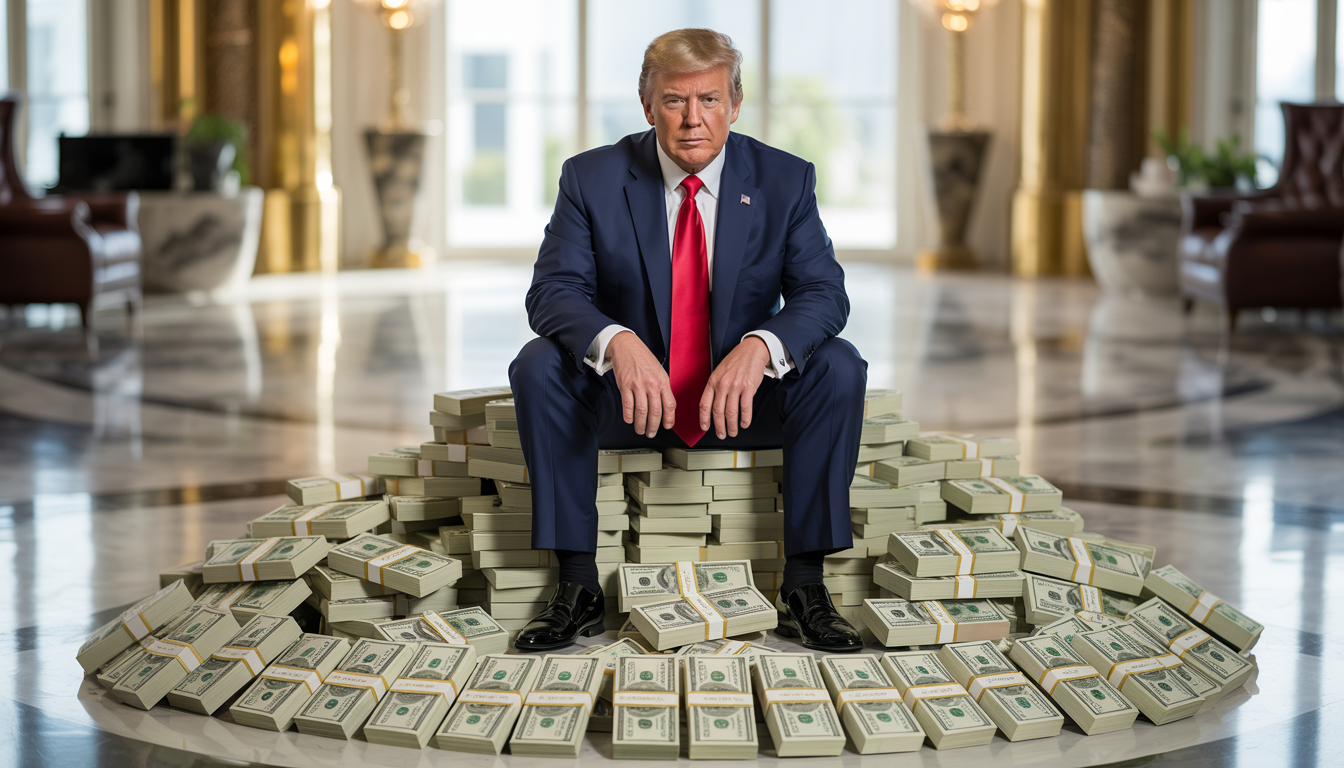
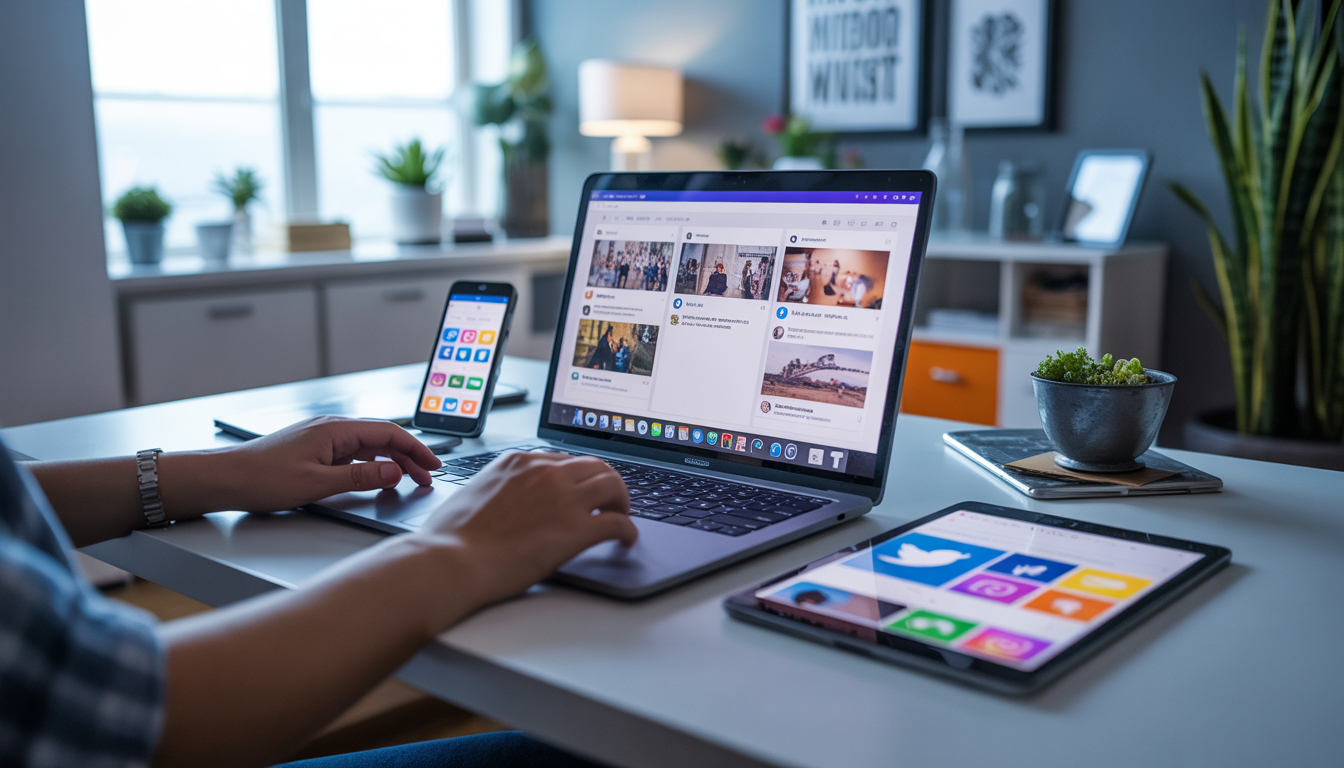

MAGA influencers on Elon Musk’s platform X are facing new scrutiny after the company rolled out its “About This Account” transparency feature, revealing that many high‑profile accounts promoting pro‑Trump and far‑right narratives are operated by foreign actors. The discovery has fueled concerns about covert influence operations, political manipulation, and misinformation spreading through seemingly authentic American voices.
The Rise of Transparency on X
X introduced the feature to increase accountability and help users better understand who is behind influential accounts. It shows data such as account creation country, username change history, and connected apps. While intended to strengthen trust, the tool has instead exposed a surprising number of MAGA influencers originating from countries such as Russia, Nigeria, India, and regions across Eastern Europe. This revelation challenges long‑standing assumptions that the loudest pro‑MAGA voices were grassroots American conservatives.
The feature also highlights how foreign‑run accounts have embedded themselves deeply within U.S. political conversations, shaping narratives, boosting misinformation, and amplifying partisan messaging designed to divide American audiences. Many of these accounts gained credibility through patriotic branding, AI‑generated profile images, and strategic posting patterns.
MAGA Influencers Linked to Foreign Actors
Since the feature went live, users began checking the origins of popular accounts with millions of followers. Dozens of high‑traffic MAGA influencers—who post about immigration, election fraud, Hunter Biden, and anti‑LGBTQ policies—were revealed to have foreign origins. Some accounts previously claimed to be U.S. veterans, police officers, or “Christian patriots,” yet their profiles show creation countries far outside the United States.
This finding aligns with earlier research from cybersecurity groups, which warned that foreign disinformation networks increasingly adopt hyper‑partisan U.S. identities to manipulate voters. The new feature gives the public its clearest view yet into how widespread the issue is. Even with potential VPN masking, patterns of account behavior and mismatched metadata provide strong evidence of foreign operation.
For users seeking additional context on how foreign influence campaigns operate, the Council on Foreign Relations provides extensive resources on digital interference. One example can be found at this external analysis.
Impact on Political Discourse
By revealing the true origins of these MAGA influencers, X has inadvertently shown how deeply foreign groups have embedded themselves into American political ecosystems. With many of these accounts amplifying extreme views, fabrications, and doctored videos, the discovery raises urgent questions about how political opinions are shaped online. Experts warn that foreign actors do not merely imitate U.S. political voices—they strategically manipulate outrage to erode trust in democratic institutions.
The exposure of foreign‑operated MAGA influencers also adds a new layer to discussions about election security heading into upcoming political cycles. For readers who want a breakdown of how online political influence works, additional commentary is available on BrandonBent.com, offering trusted internal insights.
Sources
- https://www.businessinsider.com/x-shows-locations-users-about-this-account-2025-11
- https://ca.news.yahoo.com/musk-policy-x-unwittingly-exposes-002502883.html
- https://ca.news.yahoo.com/prominent-maga-accounts-exposed-foreign-174121892.html