
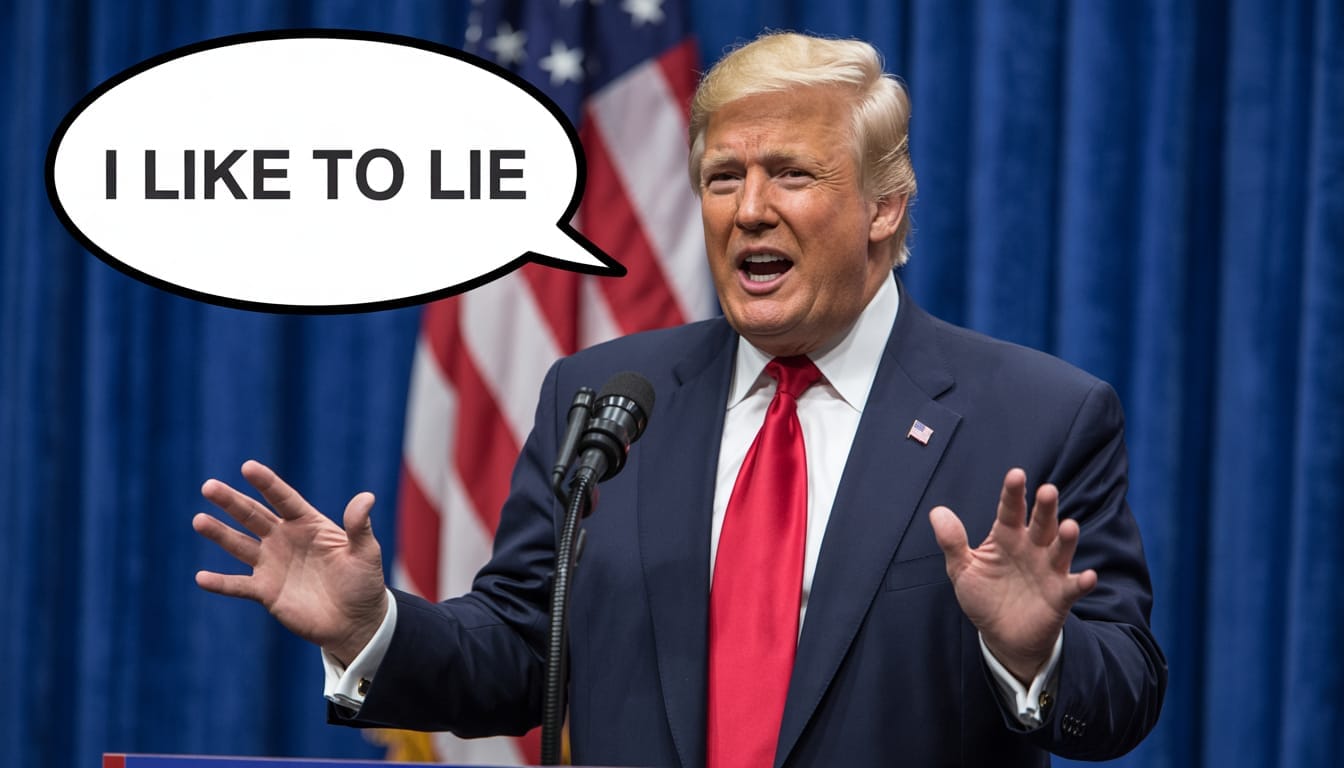

When former President Donald Trump declared that 12.4 million names in the Social Security database were of people over 120 years old, it sparked confusion and concern across social media. The claim, quickly echoed by his supporters and critics alike, raises pressing questions about data accuracy and political discourse in an election year. But as with many viral statements, the facts tell a much different story.
What Did Trump Say About the Social Security Database?
Trump’s assertion, made at a campaign rally this week, was dramatic: “There are 12.4 million people listed as over 120 years old in our Social Security file. Can you believe it?” The former president implied massive government incompetence or fraud and asked his audience to question the integrity of federal databases.
Scrutinizing the Numbers: Is It Even Possible?
To put things into perspective, consider that the longest verified human lifespan is 122 years. Statistically, the probability that more than a handful of Americans would reach the age of 120—let alone millions—is virtually zero. Recent U.S. Census Bureau estimates show there are fewer than 100 Americans who have reached their 110th birthday, a number dwarfed by the alleged 12.4 million.
In fact, the Social Security Administration (SSA) does keep historical records that may show incorrect birth dates due to clerical errors, data migration quirks, or legacy software limitations. Sometimes “placeholder” dates are used for applicants with missing or incomplete information, leading to occasional bizarre entries. But these are anomalies, not an indication of systemic fraud or bloated benefit rolls.
The Origin of Trump’s Claim
The number 12.4 million appears to be a misinterpretation, stemming from previous reports by the Social Security Inspector General’s office. An old audit found that there were 6.5 million Social Security numbers associated with people aged 112 or older who were presumed dead but had not been officially recorded as such. However, these numbers are not the same as SSA beneficiaries—almost all represent dormant records, not living people receiving checks.
Neither the SSA nor independent fact-checkers have found any evidence that vast numbers of people over 120 are actively collecting Social Security benefits. Rather, they’ve clarified that dormant or unresolved records are part of a longstanding data clean-up challenge, and do not equate to real people pocketing federal funds.
Why Exaggerated Claims About Social Security Matter
The focus keyword Social Security database is at the heart of this controversy. When influential figures circulate false information about federal programs, it erodes public confidence and can spur unnecessary panic among retirees.
Misconceptions about the Social Security database’s reliability often surface during heated political debates. It’s crucial to check the facts with official sources. The SSA conducts regular audits and collaborates with government watchdogs to resolve inconsistencies and remove ghost entries. These efforts are ongoing, and improvements in data accuracy are a top priority.
Social Security Database Myths Debunked
- There are NOT millions of people over 120, or even over 110, in the United States—living or otherwise—according to the SSA.
- Most “supercentenarian” entries in the Social Security database are historical artifacts or case management placeholders, not beneficiaries.
- The vast majority of Social Security disbursements go to eligible retirees, disabled individuals, or survivors, according to current eligibility guidelines.
- Federal investigators remain vigilant about fraud and misuse, and resources are continually devoted to prevent improper payments.
Want to learn more about common misconceptions regarding Social Security and data integrity? Check this related article on our site: Social Security database myths explained. For further in-depth reading, you can visit this external resource on government data validation.
Sources
- SSA Inspector General Audit Report
- FactCheck.org – Social Security’s Dead People
- USA Today Fact Check