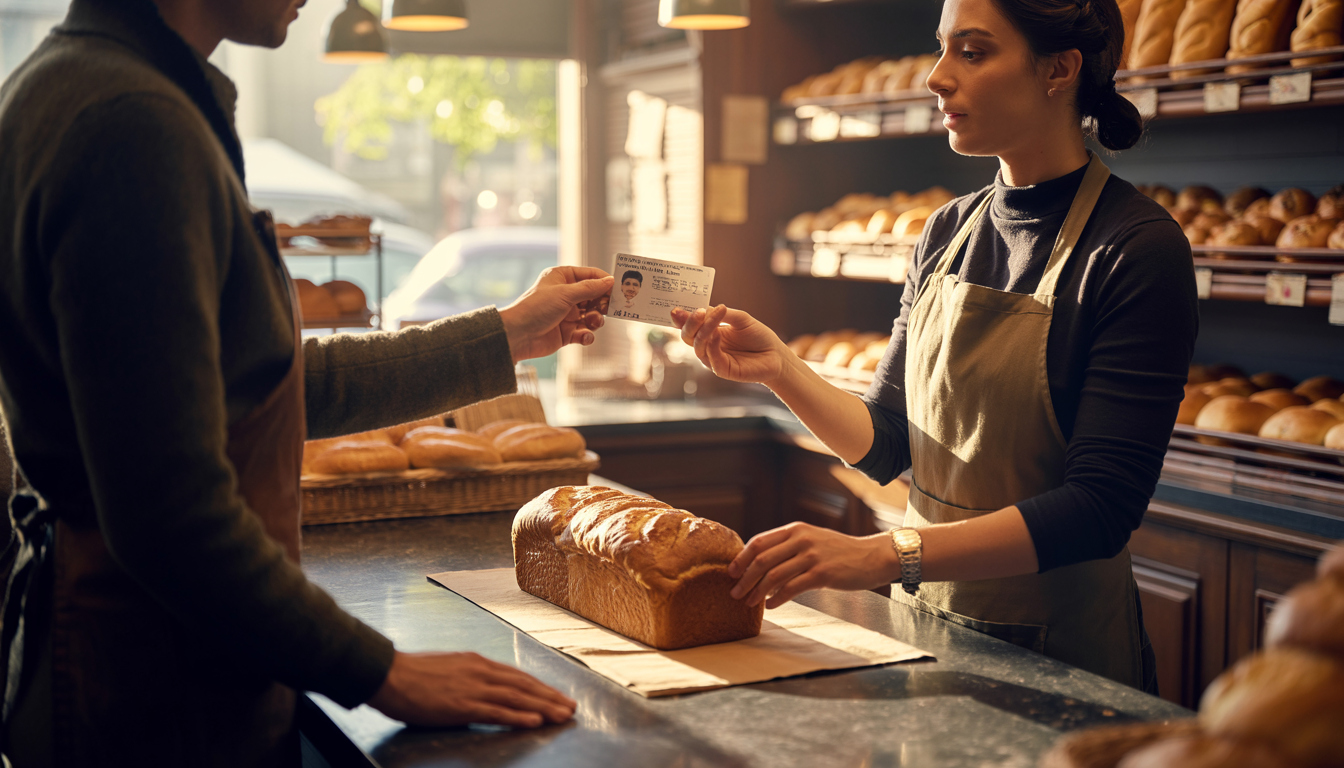

When it comes to political theater, few can match the flair of Donald Trump, who recently revived his infamous claim that Americans must show ID to buy groceries. Yes, you read that right—groceries. Apparently, in Trump’s alternate reality, the only thing standing between you and a loaf of bread is a government-issued photo ID. This is the kind of claim that makes you wonder if he’s been binge-watching dystopian sci-fi or just genuinely confused about how grocery stores work. Either way, it’s a headline that writes itself: “Trump Claims You Need ID to Buy Groceries—Reality Disagrees.”
The Grocery Store ID Myth: What’s Really Going On
Trump’s latest assertion—that Americans must present identification to purchase groceries—has been circulating for years, but it’s never been true. In reality, grocery stores only ask for ID when buying alcohol, tobacco, or certain medications. For the rest of your shopping cart, no ID is required. Even at gas stations, you can fill up without ever flashing your driver’s license, unless you’re buying age-restricted items. The idea that you need to show ID for a box of cereal is about as accurate as saying you need a passport to buy a banana. It’s a myth that’s been debunked repeatedly, but Trump keeps bringing it up like it’s some profound revelation.
Mail-in Ballots: The Real Facts Behind the Fiction
Trump didn’t stop at groceries. He also claimed that mail-in ballots automatically make elections corrupt. This is a favorite talking point of his, but it’s just as false as the grocery ID myth. Election experts agree that while mail-in voting does have a slightly higher risk of fraud compared to in-person voting, the overall rate of fraud is extremely low. In Oregon, for example, only about a dozen cases of mail-in voting fraud were found over nearly two decades, despite hundreds of millions of ballots being cast. The Carter-Baker Commission, co-chaired by Jimmy Carter, did express some skepticism about mail-in voting, but it never said that mail-in ballots guarantee corruption. In fact, the commission cited Oregon as a successful example of mail-only elections and recommended further research and safeguards, not a ban.
Why These Claims Keep Coming Back
So why does Trump keep repeating these debunked claims? It’s not because he’s suddenly discovered some hidden truth about grocery stores or election security. It’s because these myths serve a political purpose. By claiming that everyday activities like buying groceries require ID, Trump tries to justify stricter voter ID laws. By claiming that mail-in ballots are inherently corrupt, he tries to undermine confidence in elections and push for policies that could make it harder for certain groups to vote. It’s a classic case of using misinformation to advance a political agenda.
The Bigger Picture: Democracy and Misinformation
Trump’s claims about grocery store IDs and mail-in ballots are more than just funny anecdotes. They’re part of a larger pattern of misinformation that can erode trust in democratic institutions. When people believe that they need ID to buy groceries or that mail-in ballots are automatically corrupt, they may start to question the legitimacy of elections and other aspects of democracy. This is dangerous, because a healthy democracy depends on trust and accurate information. By spreading these myths, Trump and his allies are not just making themselves look silly—they’re undermining the very foundations of our democracy.
Sources
- CNN – Fact Check: Trump Groceries Identification Claim
- Common Cause – Mail-in Voting Myths vs Facts
- Baker Institute – Election Policy Discussion