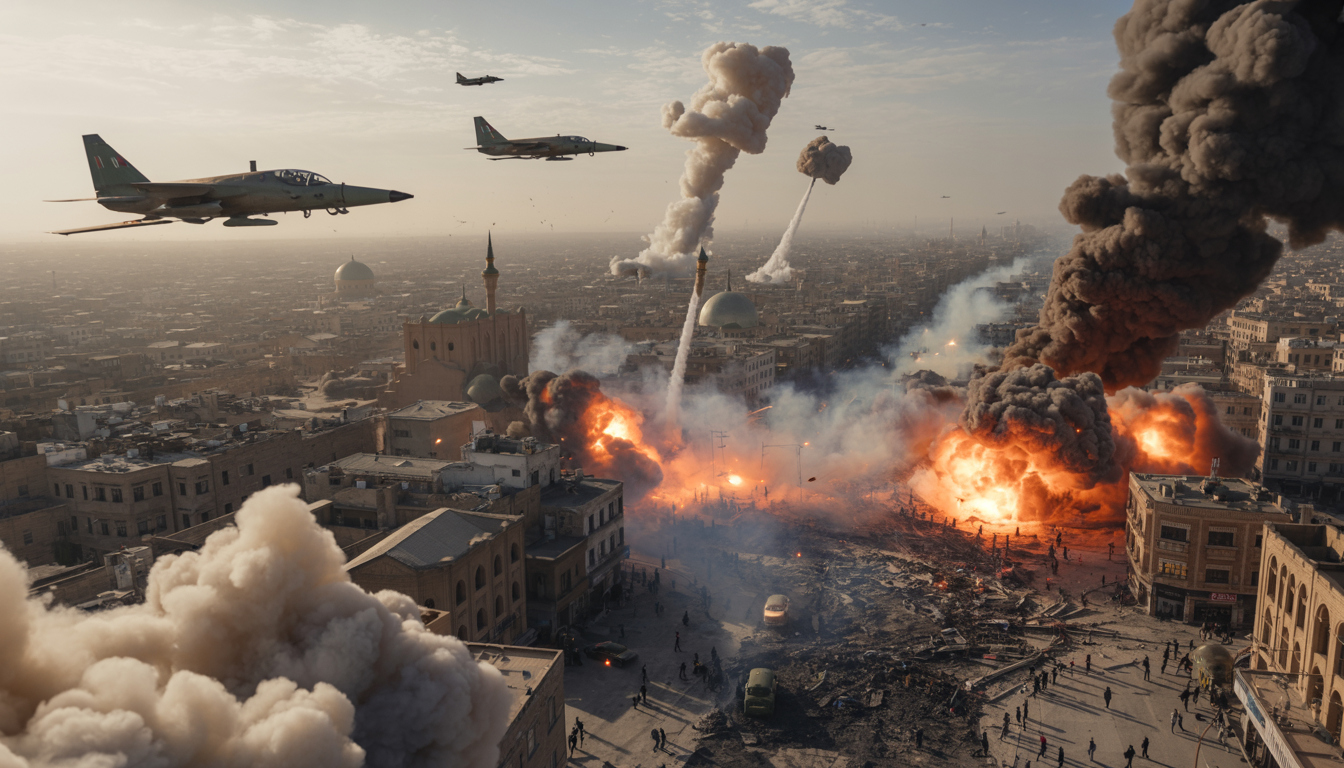
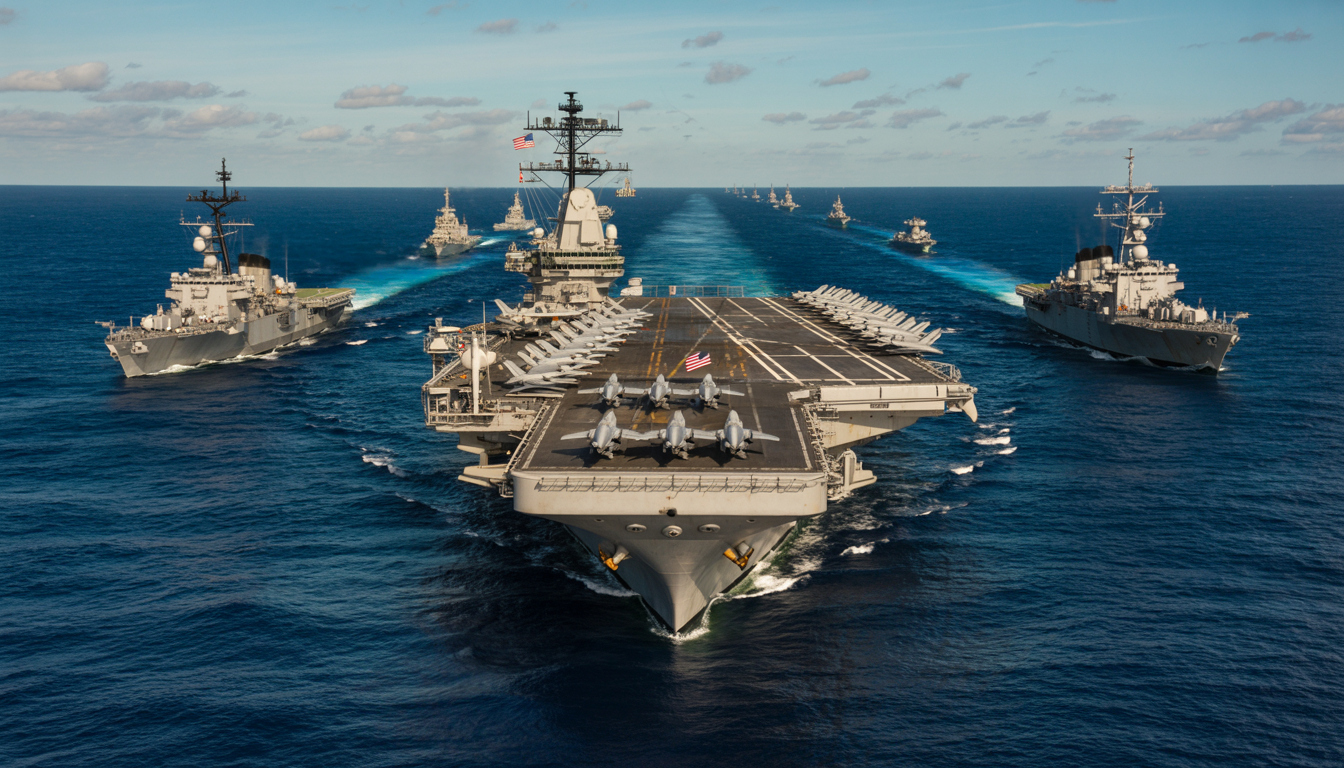
Tensions between the United States and Venezuela have escalated sharply as the U.S. government signals readiness to strike military targets within Venezuela linked to extensive drug trafficking operations. In late October 2025, amid an expanded U.S. military presence in the Caribbean including the deployment of thousands of troops, warships, and the USS Gerald R. Ford aircraft carrier heading toward Venezuelan waters, Washington has identified key land targets—ports, airports, and military facilities—that serve as hubs for drug smuggling and cartel activity under Nicolás Maduro’s regime.
U.S. Poised to Strike Military Targets in Venezuela
The U.S. campaign, initially focused on maritime strikes against drug trafficking vessels in the Caribbean Sea, has evolved into a broader strategy aiming at the Cartel de los Soles, a powerful drug trafficking network closely allied with Venezuela’s military leadership. U.S. officials accuse this cartel of funneling roughly 500 tons of cocaine annually into the United States and Europe with assistance from groups such as Venezuela’s Tren de Aragua and Mexico’s Sinaloa Cartel. Since September 2025, U.S. forces have conducted at least 15 strikes on suspected narcotics vessels, killing dozens, while planning land assaults targeting the cartel’s command structure and infrastructure.
Trump Administration’s Strategy and Reactions
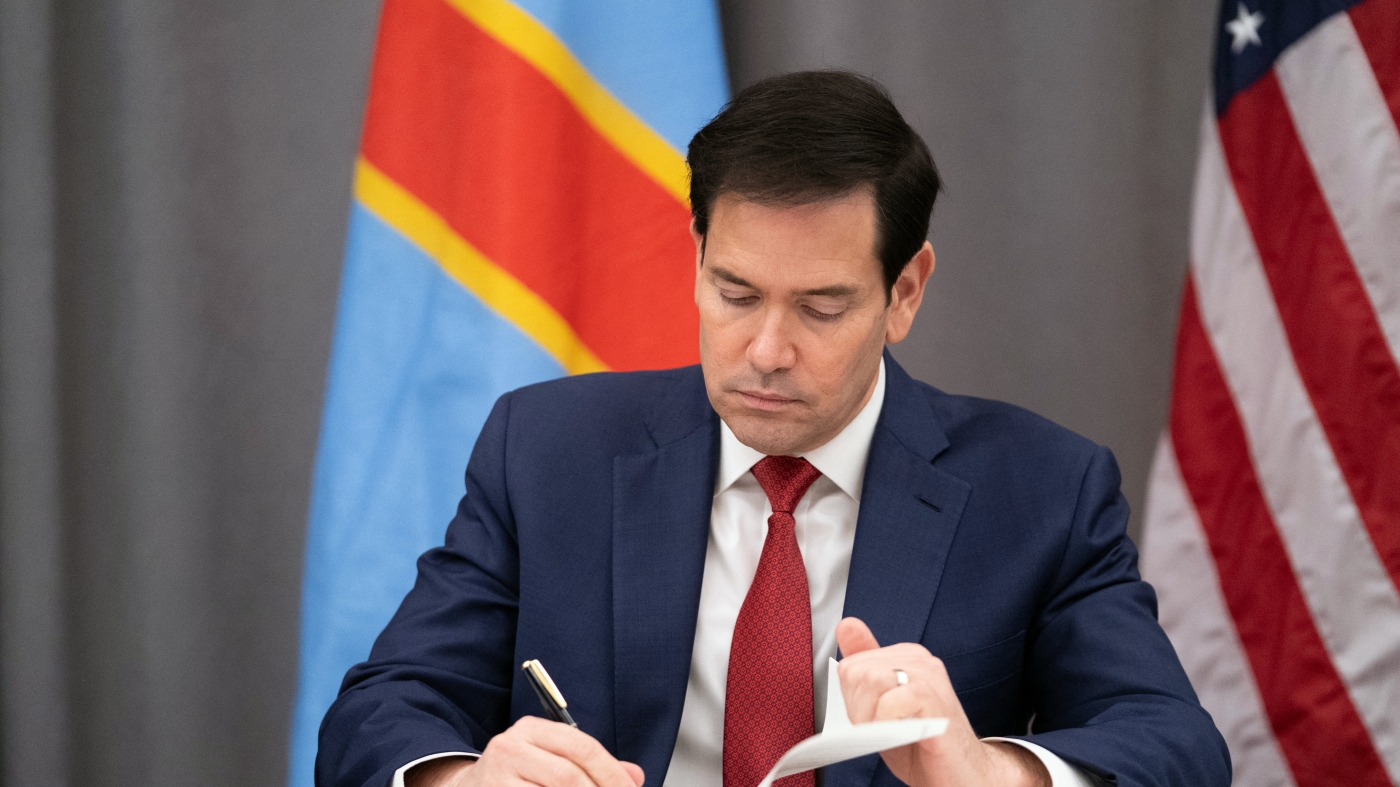
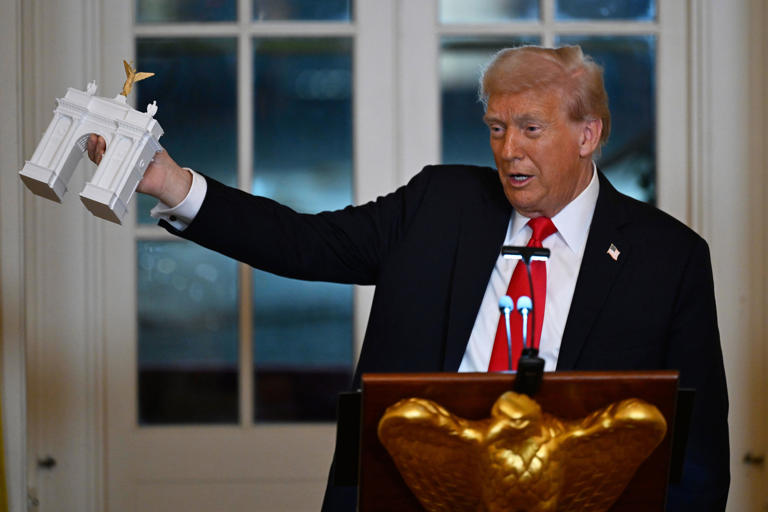
However, President Donald Trump has publicly denied making a definitive decision to launch strikes inside Venezuela, despite earlier comments suggesting such plans were under consideration. Secretary of State Marco Rubio has also dismissed reports of imminent attacks as “false narratives.” Yet, U.S. military officials confirm that forces are poised to execute orders should a directive come from the President. This contradictory messaging comes as the Trump administration intensifies pressure on Maduro, whom it accuses of being a chief narcotics trafficker and a destabilizing autocrat.
Regional Fallout and International Response
The looming threat of strikes within Venezuela has heightened regional insecurity, with Maduro appealing to Russia and China for military assistance, including missile systems and radar upgrades. The U.S. campaign represents the most significant military action in the region since the 1989 invasion of Panama and is seen by many analysts as part of a larger effort to force regime change in Caracas. While no attack date has been set and top U.S. officials have been traveling, the military buildup and strategic deployments signal a U.S. readiness to dismantle Maduro’s narcotics operations by striking vital military and logistical sites.
For more background on U.S.-Venezuela relations and geopolitical analysis, visit BrandonBent.com. For official data on drug trafficking trends, see the United Nations Office on Drugs and Crime.
Sources