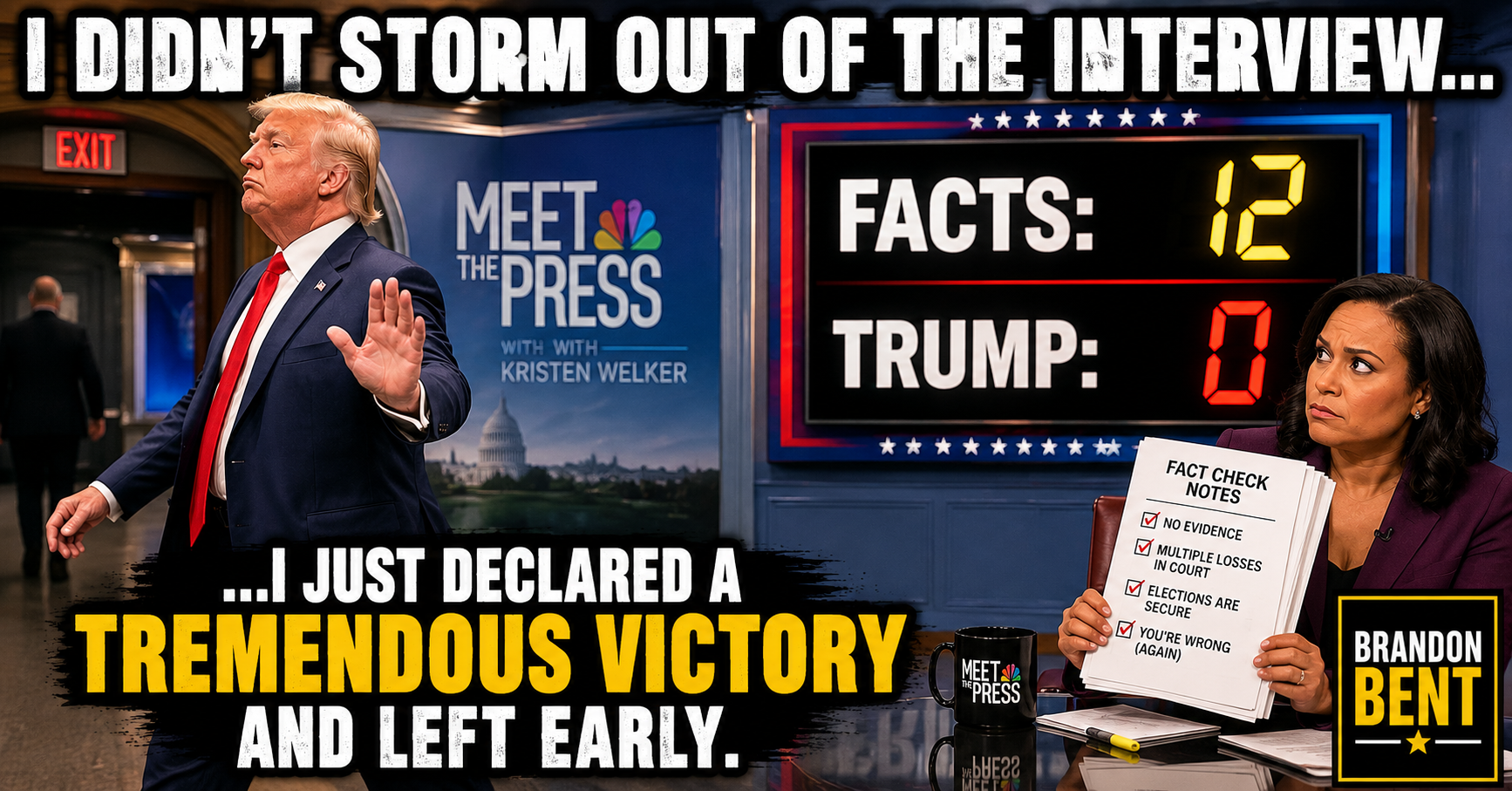


Former President Donald Trump has renewed his controversial threats to revoke ABC and NBC licenses, escalating his ongoing battle with mainstream media outlets. The Republican leader’s latest statements have reignited debates about press freedom and federal regulatory powers over broadcast television in the United States.
Trump’s threats against ABC and NBC licenses stem from his dissatisfaction with what he perceives as biased coverage of his political activities and policy positions. The former president has repeatedly criticized both networks through social media posts and public statements, claiming they present unfair portrayals of his administration’s achievements and current political endeavors.
Understanding Federal Broadcasting License Authority
The Federal Communications Commission (FCC) holds the authority to grant, renew, and revoke broadcasting licenses for television and radio stations across the United States. However, the process for revoking established network licenses involves complex legal procedures and must meet specific criteria outlined in federal communications law.
Broadcasting licenses are typically granted for eight-year periods and must be renewed through formal applications demonstrating continued compliance with FCC regulations. The commission evaluates factors including technical operations, public interest obligations, and adherence to broadcasting standards when considering license renewals.
Networks like ABC and NBC operate through affiliate systems, where local stations hold individual licenses while carrying network programming. This structure means that threatening “network licenses” actually involves potentially targeting hundreds of individual station licenses across the country.
Legal Challenges to License Revocation
Constitutional law experts emphasize that revoking broadcasting licenses based on content disagreements would face substantial legal challenges. The First Amendment provides strong protections for press freedom, and federal courts have historically upheld media rights against government interference.
Previous attempts to use FCC authority for political purposes have faced judicial scrutiny and legislative pushback. The commission operates as an independent agency, though its commissioners are appointed by the president and confirmed by the Senate.
Industry Response and Press Freedom Concerns
Media industry organizations and press freedom advocates have expressed alarm over repeated threats against ABC and NBC licenses. The Society of Professional Journalists and other journalism organizations argue that such statements create a chilling effect on news coverage and editorial independence.
Major broadcasting companies have invested billions of dollars in their operations and programming, with license stability forming a cornerstone of their business models. Uncertainty about regulatory actions can impact stock prices, advertising relationships, and long-term strategic planning.
The National Association of Broadcasters has emphasized the importance of maintaining independent journalism standards while operating within existing regulatory frameworks. Industry leaders stress that news organizations must maintain editorial independence to serve the public interest effectively. For further context, see Brandon Bent’s reporting on media politics.
Historical Context of Presidential Media Relations
The relationship between presidential administrations and news media has experienced various tensions throughout American history. However, direct threats against broadcasting licenses represent an escalation that differs from traditional criticism of media coverage.
Previous presidents have expressed frustration with news coverage but generally avoided explicit threats to revoke broadcasting licenses. The current situation reflects broader polarization in American politics and changing media consumption patterns.
Social media platforms have provided new venues for direct communication between political figures and the public, sometimes bypassing traditional media gatekeepers. This shift has altered the dynamics between politicians and established news organizations.
Potential Impact on the Media Landscape
If carried out, attempts to revoke major network licenses could fundamentally reshape the American media landscape. Such actions might prompt legal battles lasting years while creating uncertainty for journalists, advertisers, and viewers.
The broadcasting industry employs thousands of people across news gathering, production, and technical operations. License revocation threats can impact employment stability and career planning for media professionals.
Viewers rely on established networks for news, entertainment, and emergency information services. Disruption to major broadcasting operations could affect public access to crucial information during natural disasters, health emergencies, and other critical events. For background on federal communications law, visit the FCC official guide.
The ongoing tensions between Trump and major television networks highlight fundamental questions about press freedom, government authority, and the role of media in democratic society. Legal experts continue monitoring developments while industry stakeholders assess potential implications for broadcasting operations and journalistic independence.
Sources
- FCC – How to Apply for a Broadcast License
- SPJ – Code of Ethics
- National Association of Broadcasters Advocacy
- Reuters – Media & Telecom