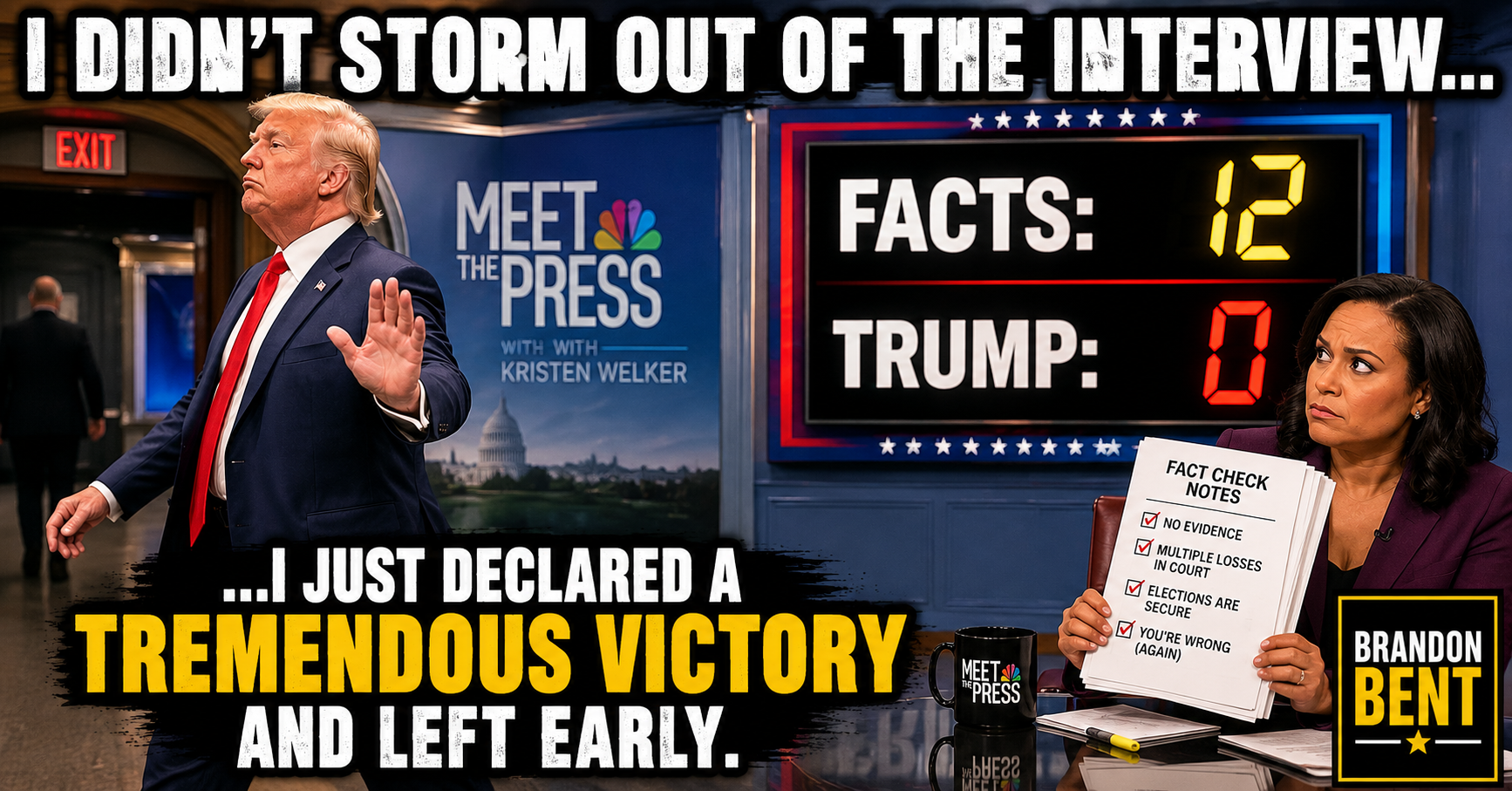
The Trump social media border policy has rapidly evolved from a bureaucratic proposal into a global flashpoint, reshaping how millions of travelers perceive the United States. What was once a routine vacation now feels, to many, like stepping into a digital inspection zone where every post, like, and comment may be scrutinized. Foreign visitors from long‑standing U.S. allies increasingly view the nation not as a welcoming destination but as a risk—one where online speech can be grounds for denial of entry. As experts warn, the chilling effect on tourism is becoming impossible to ignore.
CBP’s Expansion of Trump Social Media Border Screening
Under the administration’s proposed rules, travelers from 42 visa‑waiver countries would be required to submit five full years of social media handles and digital activity for vetting. The Trump social media border initiative is framed as a security measure, yet immigration attorneys argue it introduces broad, subjective criteria that can easily be weaponized. For example, posts criticizing U.S. policy—or even satirical commentary—could be interpreted as signs of ideological hostility. Privacy organizations warn that this level of surveillance risks punishing protected speech while offering little measurable security benefit. An internal analysis by several travel associations indicates that mandatory disclosure alone could deter millions of potential visitors.
Early cases show how aggressively the Trump social media border policy is already being applied. A French researcher was denied entry after posting criticism of U.S. science cuts. A British tourist was detained for hours over an old political meme. Travel forums now include warnings such as “scrub your social media before boarding,” revealing how normalized self‑censorship has become among visitors who fear interrogation. One immigration expert noted that the United States is the only Western democracy deploying this level of social monitoring on such a scale.
Border Agents Weaponize Digital Histories
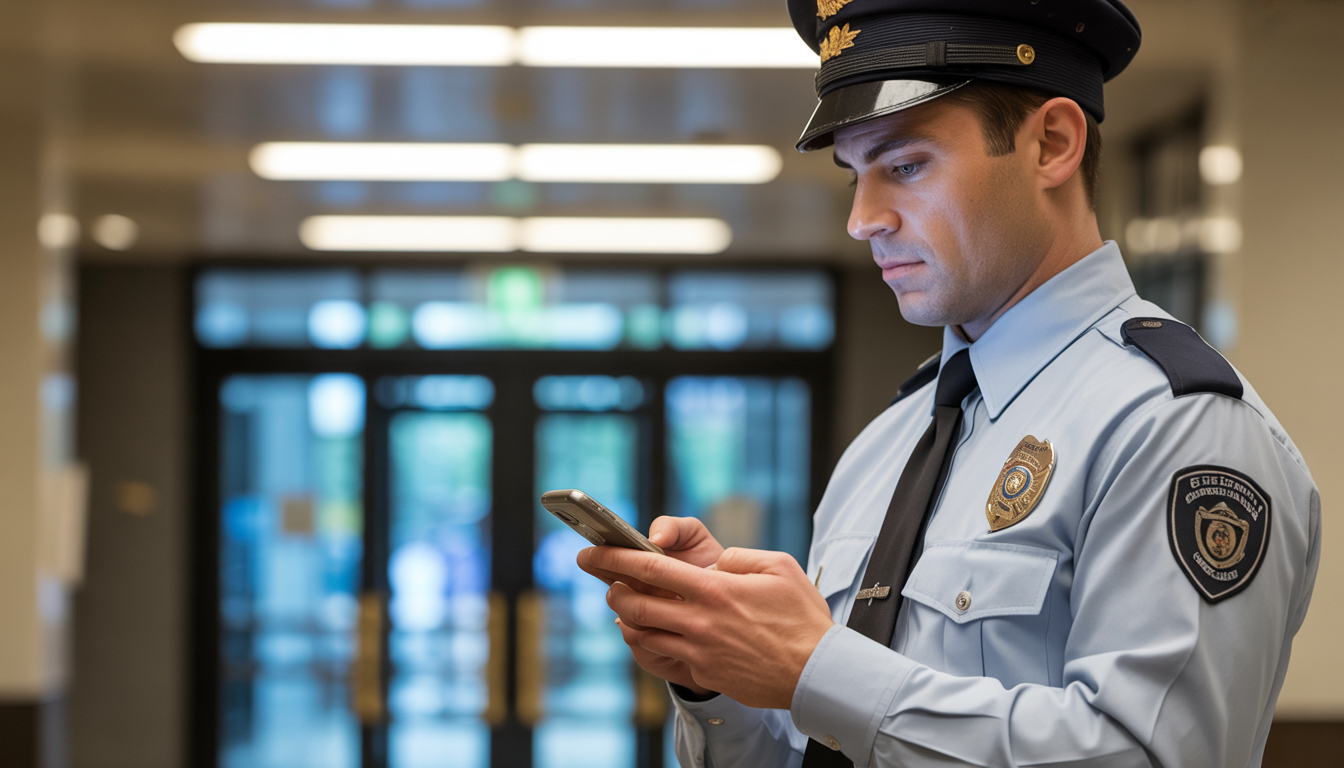
Reports continue to surface of tourists being questioned extensively about online remarks, photos, and group affiliations. The Trump social media border approach allows border agents to search devices without warrants, view private photos, and even demand access to messaging apps. While some travelers comply out of fear of deportation, others are denied entry for refusing to surrender their passwords. Civil liberties groups describe this environment as a “digital dragnet,” one that treats every traveler as a potential suspect. The ACLU warns that the expansion of these practices could create a permanent archive of foreign citizens’ political views, religious affiliations, and personal communications—all gathered without traditional legal oversight.
Border attorneys advise travelers to make digital hygiene part of pre‑departure routines: remove sensitive chats, log out of apps, and delete political commentary that could be misinterpreted. As the Trump social media border policy spreads across ports of entry, such defensive strategies are becoming standard. Even universities are warning international students that past posts may affect visa outcomes. This marks a dramatic shift in how digital expression intersects with the right to travel.
Tourism Fallout and Economic Consequences
The tourism industry is sounding alarms about the financial consequences. Nations including France, Germany, Japan, and Australia have issued guidance alerting their citizens to potential digital screening. Some airlines report increased cancellations for U.S. travel routes, particularly ahead of major events like the 2026 World Cup. Economists note that tourism supports over 9 million U.S. jobs; even a small decline could have wide ripple effects. Experts at travel consultancy Fragomen warn that the Trump social media border strategy risks “deterring lawful visitors while failing to strengthen national security in meaningful ways.”
Several industry groups are lobbying Congress to halt or revise the policy, arguing that the United States is branding itself as a surveillance‑heavy destination at a time when global tourism competition is fierce. Some advocates suggest a more targeted approach that avoids sweeping data collection from entire populations of allied nations. Others fear that once established, digital vetting will only expand—with future administrations inheriting a system capable of monitoring travelers indefinitely.
For now, travelers are left to navigate an uncertain environment where online expression may carry real‑world consequences. The Trump social media border rules illustrate a pivotal question for the digital age: how much privacy must citizens and visitors sacrifice in the name of security? As the debate continues, the world is watching closely—and many are choosing vacation destinations elsewhere. For additional context on evolving U.S. travel policies, readers can explore analysis at BrandonBent.com or consult independent travel advisories such as those published by Lonely Planet.
Sources
- NYT – Social Media Screening Policy