
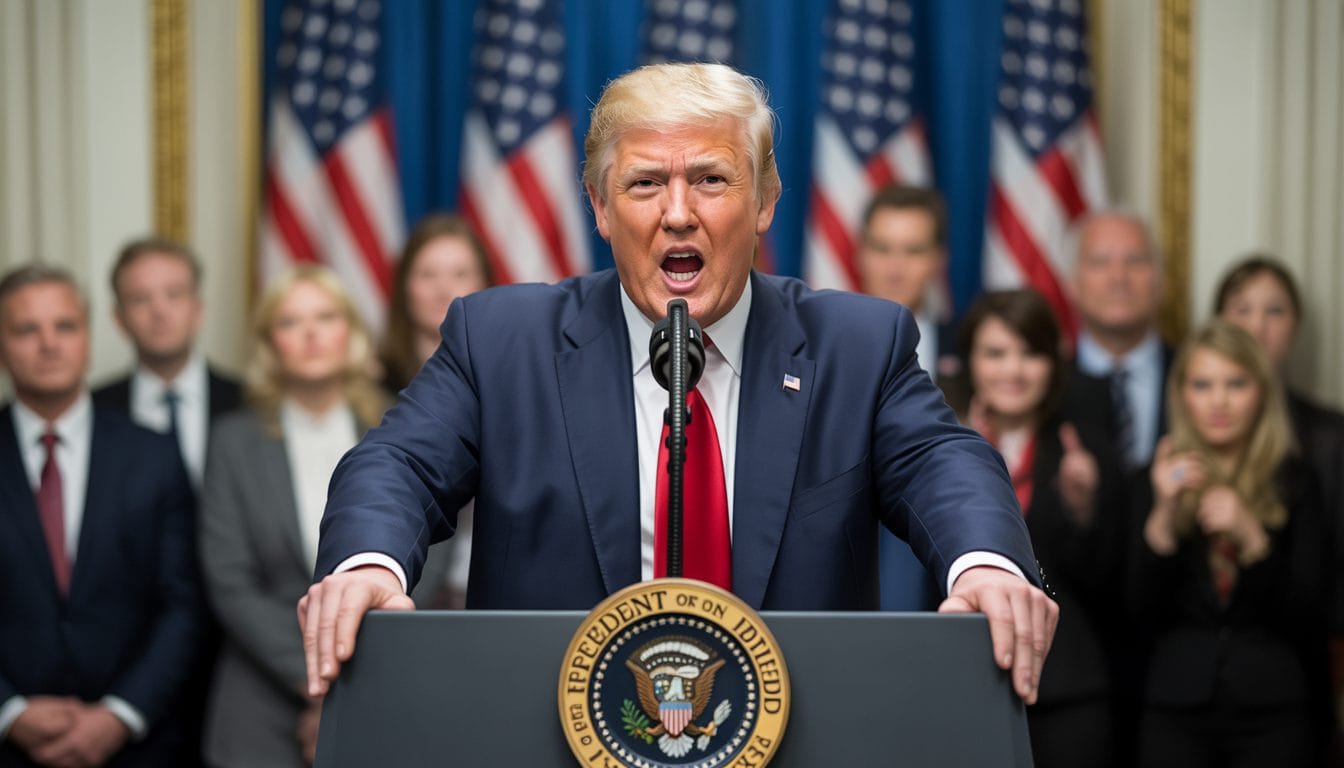

Recent reports from a Rolling Stone investigation allege that former President Donald Trump privately referred to some of Jeffrey Epstein’s sex trafficking victims as “Democrats.” According to multiple sources, these comments emerged behind closed doors as Trump grew increasingly frustrated with scrutiny over his administration’s handling of the Epstein case. This revelation adds new fuel to the ongoing political firestorm over Epstein-related files and victims’ rights.
Background on Trump’s Reported Comments
The Rolling Stone article cites individuals familiar with Trump’s private conversations, claiming he expressed irritation over televised appearances and public statements by Epstein’s survivors. Trump reportedly speculated that some accusers and their families may be politically motivated, tied to Democratic Party interests, and working with liberal attorneys or advocacy groups. While Rolling Stone withheld specific names, the context points to multiple survivors who have condemned the administration’s approach to the Epstein files.
White House Response and Political Impact
The White House has strongly denied the Rolling Stone report, dismissing it as “false” and politically driven. However, Trump’s public rhetoric mirrors the alleged private comments—labeling calls for full disclosure of Epstein’s client list a “hoax” and blaming Democrats for manufacturing scandals to damage him. This aligns with a broader strategy of deflection that has characterized Trump’s handling of politically sensitive controversies.
Lawmakers from both parties—including Republican Representative Thomas Massie and Democrat Ro Khanna—have supported bringing survivors to Washington, D.C., to push for full release of Epstein-related files. This bipartisan support underscores that the demand for transparency is not confined to one political camp. Republican strategists have privately warned that Trump’s remarks could alienate voters, and public polling shows widespread dissatisfaction with his handling of the issue (Rolling Stone poll).
Survivor and Advocate Reactions
High-profile accusers such as Annie and Maria Farmer, who testified against Ghislaine Maxwell, have criticized what they call a chaotic and dismissive approach to victim engagement. Many survivors argue that framing their advocacy as politically motivated compounds their trauma and undermines ongoing legal and investigative efforts. Advocacy groups stress that bipartisan cooperation is essential for holding perpetrators accountable.
Conclusion
The claim that Trump privately dismissed Epstein’s victims as “Democrats” reveals how abuse cases can be entangled with political maneuvering at the highest levels of government. As pressure builds for unredacted Epstein file releases, survivors remain determined to have their voices heard. The outcome of this battle will influence both the pursuit of justice and the tone of political discourse in America.
For further reading on related political controversies, see our coverage at Brandon Bent.
Sources