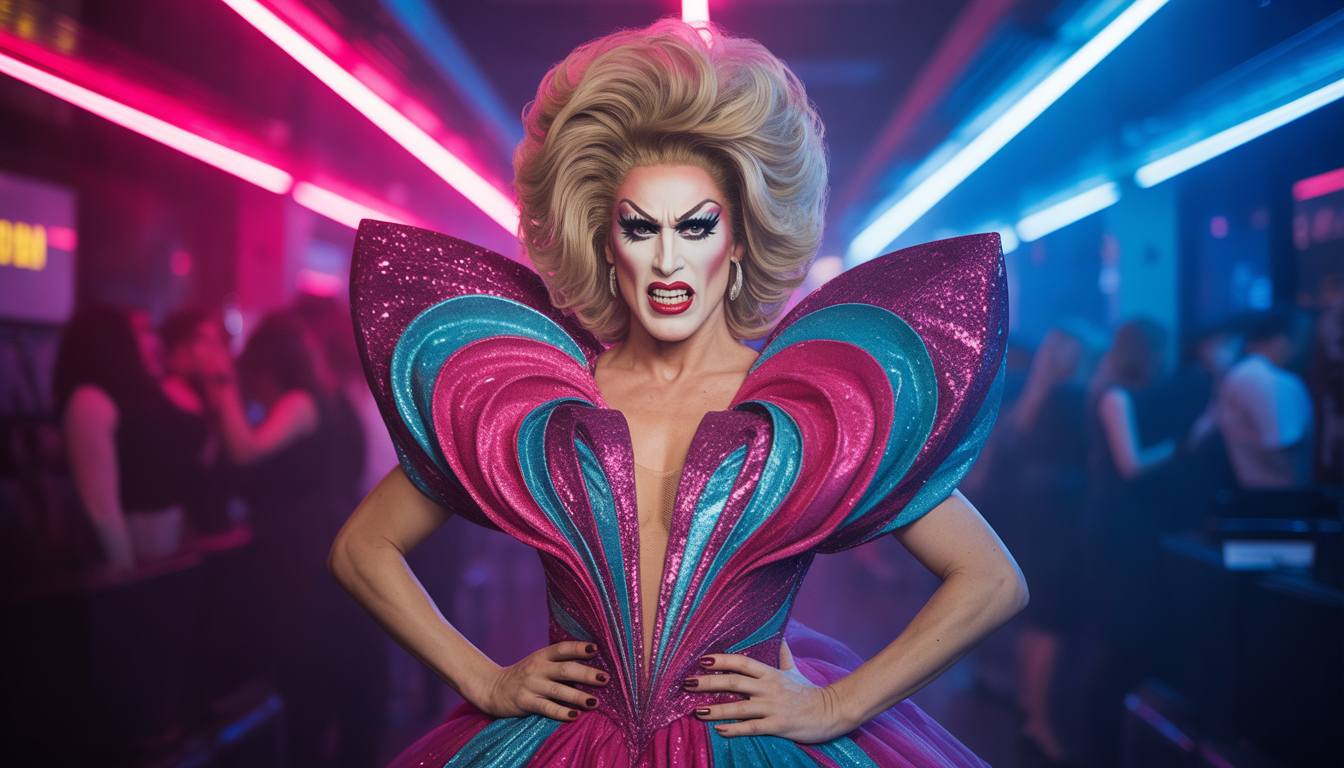

A federal appeals court has ruled in favor of Texas, allowing the state to enforce a controversial law that bans “sexually oriented” drag performances in the presence of minors. The U.S. Fifth Circuit Court of Appeals lifted a previous injunction that had blocked enforcement of Senate Bill 12, a 2023 law central to the ongoing Texas drag ban debate aimed at restricting certain forms of drag shows on public property and in venues where children are present.
The appeals court’s 2-1 decision sent the case back to a lower court to reconsider the law’s constitutionality, while allowing the state to move forward with enforcement for the time being. Judges Kurt Engelhardt and Leslie Southwick, forming the majority, expressed skepticism about whether some drag performances featuring provocative elements—such as prosthetic breasts or audience participation—should receive First Amendment protections, especially in settings where minors are present.
Legal Debate on First Amendment Protections
The ruling sparked sharp division among the judges. While Engelhardt and Southwick saw the law as a lawful regulation of “sexually oriented performances,” dissenting Judge James Dennis argued that the law unfairly targets an entire art form. Dennis insisted that drag shows embody theatrical expression deserving full First Amendment protection and criticized the majority for reducing drag to “a few scandalous acts.”
The judges also questioned whether the plaintiffs—drag performers and organizers—had standing to challenge the law preemptively, especially since some performers claimed to avoid sexually explicit content. The majority viewed the case as premature for plaintiffs who had not yet faced prosecution under the law.
Overview of Senate Bill 12 and Enforcement of the Texas Drag Ban
Senate Bill 12 prohibits “sexually oriented performances” from taking place on commercial premises where minors are present. The law specifically targets performances deemed erotic or sexually explicit, intending to shield children from exposure to such content.
Texas Attorney General Ken Paxton praised the appellate ruling, stating that protecting children from inappropriate sexualized performances is a priority. Critics, including drag performers and civil liberties groups like the ACLU of Texas, condemned the ruling as a blow to free expression and LGBTQ+ culture, emphasizing that drag is an important form of artistic and cultural expression.
Next Steps and Broader Implications
The case now returns to the district court for a new constitutional review. Meanwhile, enforcement of the Texas drag ban resumes, limiting drag performances that courts may classify as sexually oriented, particularly where children are involved.
This ruling is significant not only for Texas but also as a potential precedent for similar laws in other states that seek to restrict drag performances and regulate content presented to minors. It highlights ongoing national tensions over free speech, cultural expression, and state regulation of morality in public spaces.
Additional coverage and context about Texas’s evolving legal battles relating to drag and reproductive rights can be found at Brandon Bent News. For broader legal perspectives on First Amendment challenges, visit ACLU’s website.
Sources