Oklahoma’s legislature has ignited fierce national debate by introducing a bill that would require every public college in the state to erect and safeguard a Charlie Kirk statue, honoring the slain conservative activist whose assassination rocked the political world earlier this month. The demand for a statue comes amid mounting efforts in multiple states to enshrine Kirk’s legacy, drawing applause from supporters and alarms from critics over questions of campus freedom and government overreach.
Why Oklahoma Wants Colleges to Memorialize a Charlie Kirk Statue
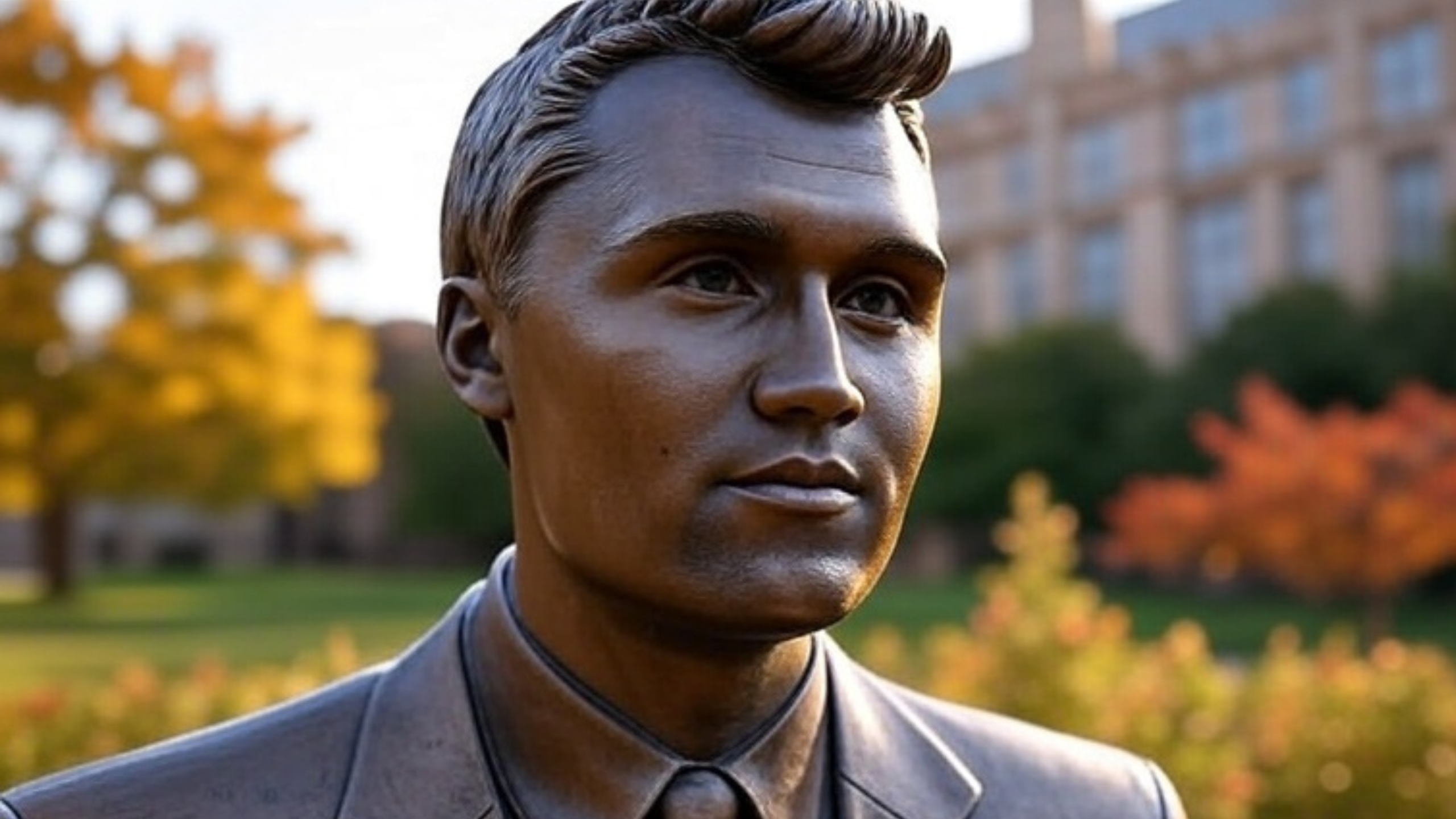
On September 20th, Republican Senator Shane Jett introduced legislation mandating that by March 1, 2028, every campus within Oklahoma’s state college system must install a Charlie Kirk statue in a prominent, easily accessible location. The statue must either portray Kirk seated at a table with an empty chair opposite or standing with his family, symbolizing his role as a “voice of a generation” and an advocate for free speech. The bill’s language calls for permanent signage celebrating Kirk’s bravery, faith, and public persona as a “martyr for truth” and “modern civil rights leader.” Colleges found in violation would face financial penalties, while any vandalism of the statue by students or staff would result in immediate expulsion or termination.
The National Movement for Charlie Kirk Statues
Oklahoma is not acting alone. Shortly after Kirk’s death, Texas and Florida announced plans to memorialize him on college campuses. In Texas, Republican lawmakers and local officials have publicly pledged to install statues of Kirk at all state colleges and universities, while at Sarasota’s New College of Florida, school officials confirmed a privately funded Charlie Kirk statue will be erected to “defend and fight for free speech and civil discourse in American life.” These moves accompany a broader conservative push to cement Kirk’s influence after his assassination during a public event at Utah Valley University on September 10th.
Support, Backlash, and the Broader Divide
Proponents of the Oklahoma bill argue that Kirk’s legacy deserves recognition equal to historic leaders and contend that his advocacy for freedom of expression is especially vital in higher education. They cite large memorials, online campaigns, and endorsements from figures like President Donald Trump and Governor Ron DeSantis. However, opponents—ranging from civil liberties groups to the families of iconic civil rights leaders—condemn the move as forced state indoctrination and a threat to academic independence. Bernice King, daughter of the late Dr. Martin Luther King Jr., sharply criticized efforts to equate Kirk’s record with her father’s. Others point to constitutional concerns, especially legislative language referencing Kirk’s Christian faith, suggesting it blurs the separation between church and state.
What Happens Next?
The Oklahoma legislature is set to debate the bill when it reconvenes in February. If passed, state colleges will have three years to commission, site, and install their Charlie Kirk statues—or face consequences. Similar debates are unfolding in Florida and Texas, and some lawmakers are pushing for Kirk’s likeness to be placed in the U.S. Capitol. Many expect legal challenges and student protests should the bill succeed, with campus administrators already bracing for a turbulent season.
For more on legislative efforts and the ongoing controversy surrounding state-mandated memorials, see our analysis at BrandonBent.com. For a broader perspective on the growing national movement, visit the Guardian’s coverage.
Sources
- Newsweek: Oklahoma bill calls for Charlie Kirk statue
- HuffPost: Republican Shane Jett files Kirk statue bill
- ArtNews: Florida college plans Charlie Kirk statue
- Newsweek: Texas colleges to install Charlie Kirk statues