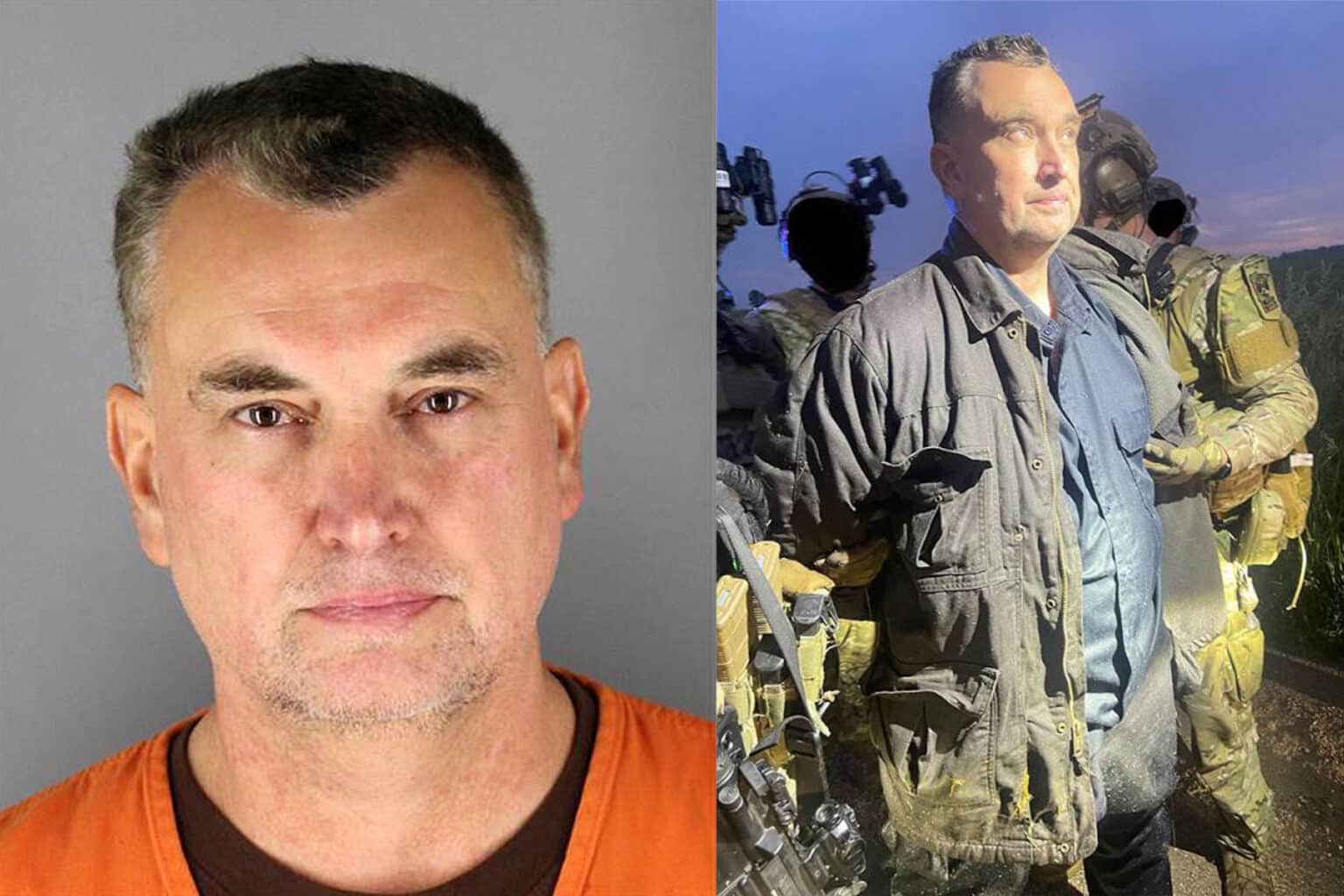
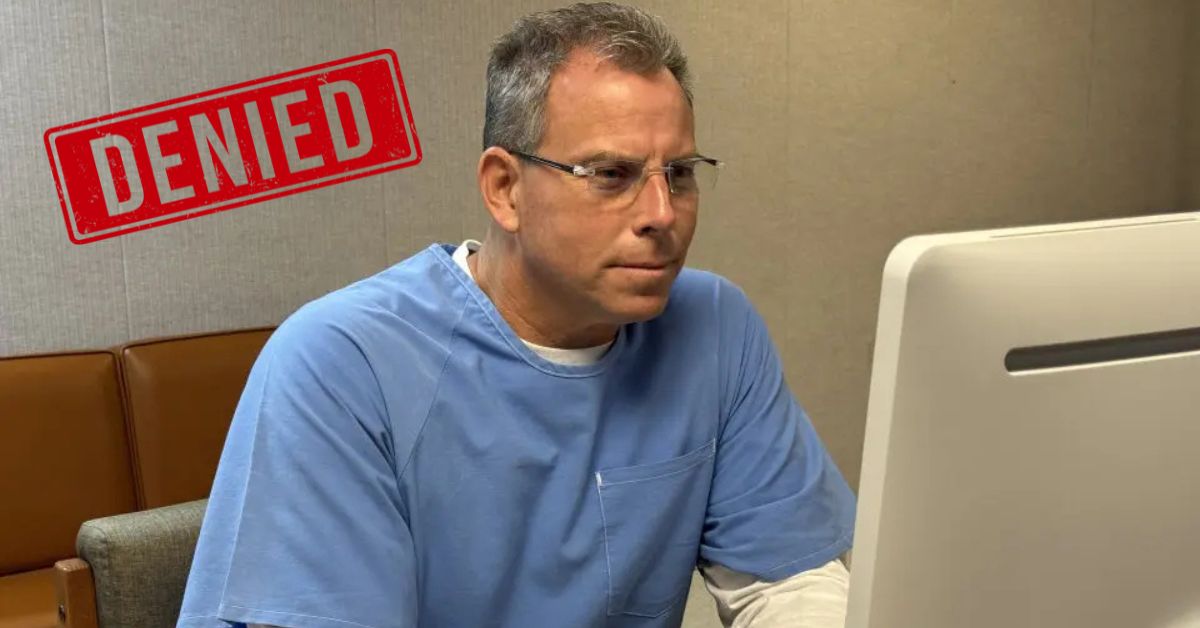
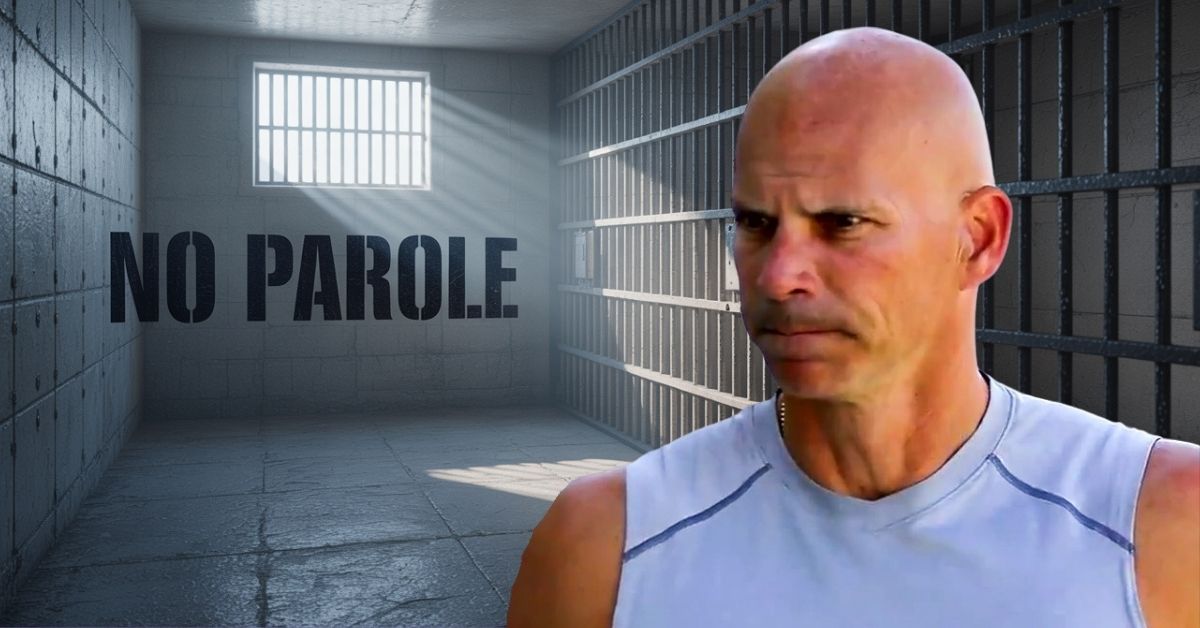
Erik Menendez denied parole — that was the ruling handed down on Thursday by a California parole board, marking a major setback in the high-profile case that has gripped the nation for decades. The 54-year-old, who has spent more than three decades in prison for the 1989 murders of his parents alongside his brother Lyle, will now have to wait another three years before he can apply for parole again.
The nearly 10-hour virtual hearing took place at the Richard J. Donovan Correctional Facility in San Diego, where Erik Menendez participated by video. Commissioner Robert Barton announced the denial, stating that Menendez “continues to pose an unreasonable risk to public safety” despite support from family members and advocates. For background on California’s parole system, see this in-depth guide and this official state report.
Parole Board Cites Prison Behavior Concerns
The decision was based on multiple factors, including Erik Menendez’s behavior in prison. “Contrary to your supporters’ beliefs, you have not been a model prisoner, and frankly, we find that a little disturbing,” Barton told Menendez.
The board highlighted several issues during his incarceration:
- Inappropriate behavior with visitors
- Drug smuggling incidents
- Misuse of state computers
- Violence-related incidents
- Illegal cellphone use while leading rehabilitative groups
- Alleged assistance to a prison gang in a tax fraud scheme (2013)
Barton emphasized that it was Erik Menendez’s prison behavior—not the original crime—that was the “primary reason for this denial.”
The Original Crime and Parole Eligibility
Erik and Lyle Menendez were convicted in 1996 during a retrial for the first-degree murder of their parents, Jose and Kitty Menendez, at their Beverly Hills mansion on August 20, 1989. They were sentenced to life without parole.
The case resurfaced in public discussion through documentaries and television series exploring their claims of sexual and physical abuse by their father. In May 2025, both brothers were resentenced to 50 years to life with the possibility of parole under California’s youth offender laws. Since they were 18 and 21 at the time of the murders, this made them eligible for parole hearings.
Family Support Despite Denial
More than a dozen relatives testified in favor of Erik Menendez’s release, describing him as reformed. His 85-year-old aunt, Terry Baralt, who is battling colon cancer, gave an emotional statement: “Although I love my brother, I have fully forgiven Erik. Erik carries himself with kindness, integrity and strength that comes from patience and grace. More than anything, I hope I live long enough to welcome him into my home, to sit at the same table, to wrap my arms around him.”
Erik Menendez’s Response and Remorse
Erik Menendez expressed remorse during the hearing: “This crime is about my family. It’s about what they have endured, what they have suffered, and that’s not about me at all,” he said. He explained his reasoning for shooting his mother, saying he viewed his parents “as one person” after learning that she allegedly knew of the abuse. “I was in a state of terror, of panic, of rage,” he testified.
However, Commissioner Barton countered that Menendez could have chosen other options, such as leaving the family home, contacting police, or staying with relatives.
What’s Next for the Menéndez Brothers
The Menendez family issued a statement expressing disappointment but support: “While we respect the Board’s decision, the outcome is disappointing and not what we hoped for. Our belief in Erik remains unwavering and we know he will take the Board’s recommendation in stride.”
Lyle Menendez, now 57, faces his own parole hearing on Friday, August 22. Supporters are cautiously optimistic that Lyle’s accountability will be recognized.
Erik Menendez will not be eligible for parole until 2028, marking another long wait. Barton ended the hearing with a stark choice for Erik: “You have two options: one is to have a pity party and then you become a self-fulfilling prophecy, probably not getting granted [parole] next time. Or you can take to heart what we discussed.”
Sources