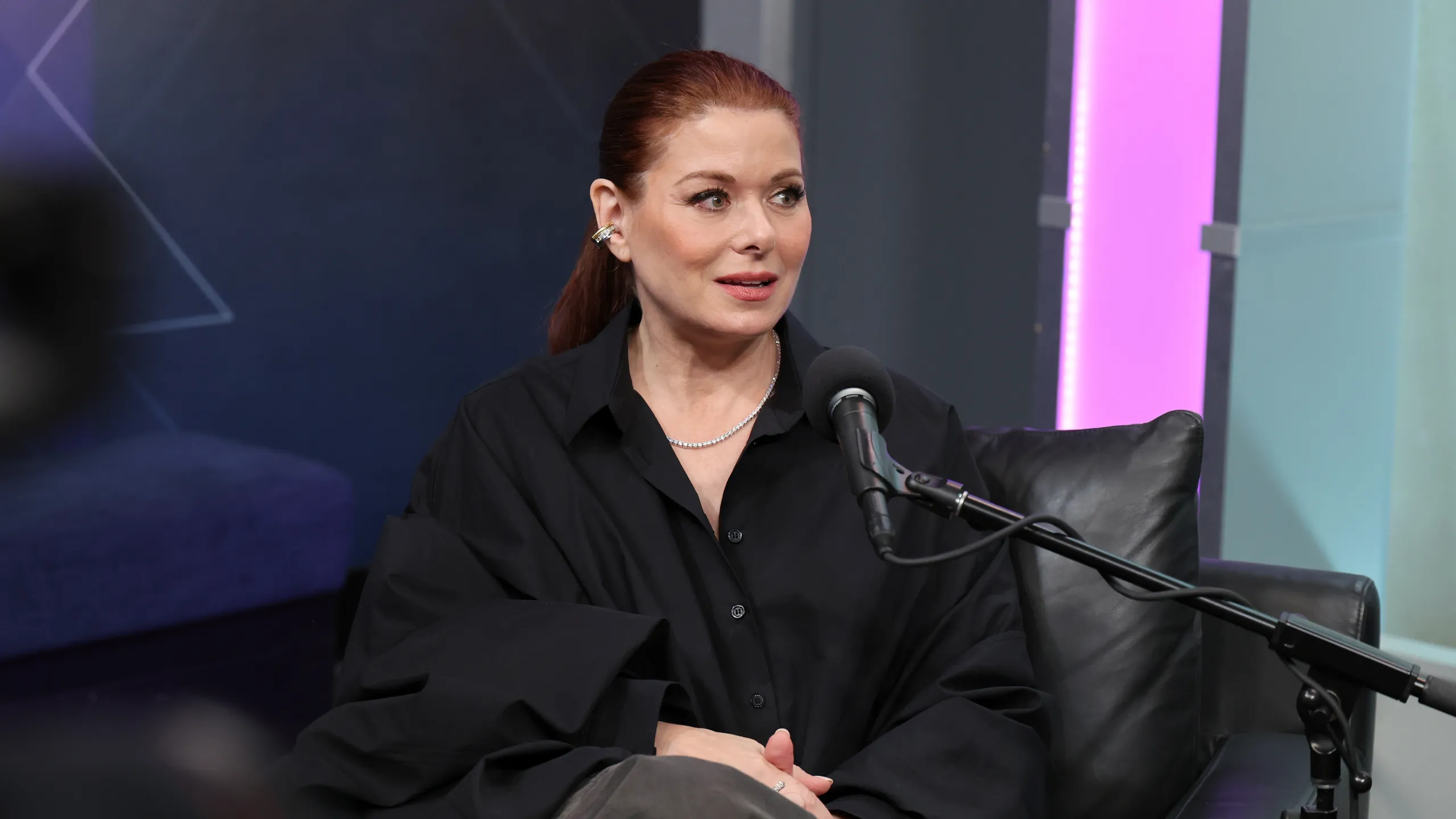
Debra Messing, the Emmy-winning star of “Will & Grace,” has sparked outrage after sharing a meme branding New York City’s newly elected mayor, Zohran Mamdani, a “jihadist” on her Instagram Story. The controversy erupted just hours after Mamdani, a 34-year-old Democratic Socialist and Muslim, clinched his historic win with 50.4% of the vote—becoming the city’s youngest mayor in over a century. The term “jihadist” appeared in a meme Messing reposted, and the incident has fueled accusations of Islamophobia and heightened tensions across social media.
Messing, who is Jewish and a prominent supporter of Israel, has been vocal about her criticism of Mamdani’s pro-Palestine stances. Throughout election day, she posted and reshared numerous memes and videos, some equating Mamdani to “Osama bin Mamdani” and exhorting New Yorkers to “vote no to terrorism.” One post even included a Truth Social quote from Donald Trump that labeled Mamdani a “JEW HATER,” further intensifying the backlash.
Mamdani’s Response and Background
Zohran Mamdani, originally from Uganda, emigrated to the U.S. as a child and became a citizen after college. He has been outspoken about supporting Palestinian rights but has publicly condemned antisemitism and denounced terrorist acts, such as the October 7, 2023 Hamas attack on Israel. Mamdani has distanced himself from extremism, stating that he supports equality for all citizens regardless of religion.
Social Media Erupts
Messing’s flood of Instagram stories—reportedly over 90 in just 24 hours—drew sharp criticism from fellow celebrities, journalists, and everyday users. Many described her activity as a “social media crash-out,” with posts characterized as “deeply Islamophobic” and divisive. A writer on X (formerly Twitter) called Messing’s posts “embarrassing” and “meltdown in full swing,” while others accused her of amplifying hate at a critical political moment.
Critics have pointed out that by labeling Mamdani a “jihadist,” Messing perpetuated dangerous stereotypes and undermined both his personal integrity and his policy platform. The backlash has ignited conversations about celebrity influence in political discourse and the responsibility that comes with a vast public platform.
Calls for Accountability
Civil rights advocates and political commentators have called on Messing to apologize and retract her statements, with some noting the lack of evidence linking Mamdani to extremist views. Entertainment Weekly, The Independent, and USA Today reached out to Messing’s representatives for comment, but as of press time, no official apology has been released.
Mamdani’s supporters remind the public that he has consistently rejected violence and promoted democratic reforms. His campaign was based on affordable housing, social justice, and inclusivity—values his critics say stand in stark contrast to the accusations Messing has leveled.
The Larger Conversation
Messing’s actions reflect a larger pattern of celebrity engagement in politics, sometimes straddling the line between advocacy and controversy. As debates around the Israel-Palestine conflict reverberate in American politics, incidents like these highlight enduring challenges in bridging divides and confronting bigotry in all its forms.
For readers interested in related coverage, visit BrandonBent.com for political analysis, or check The Independent for an external deep dive into Mamdani’s policy platform.
Sources