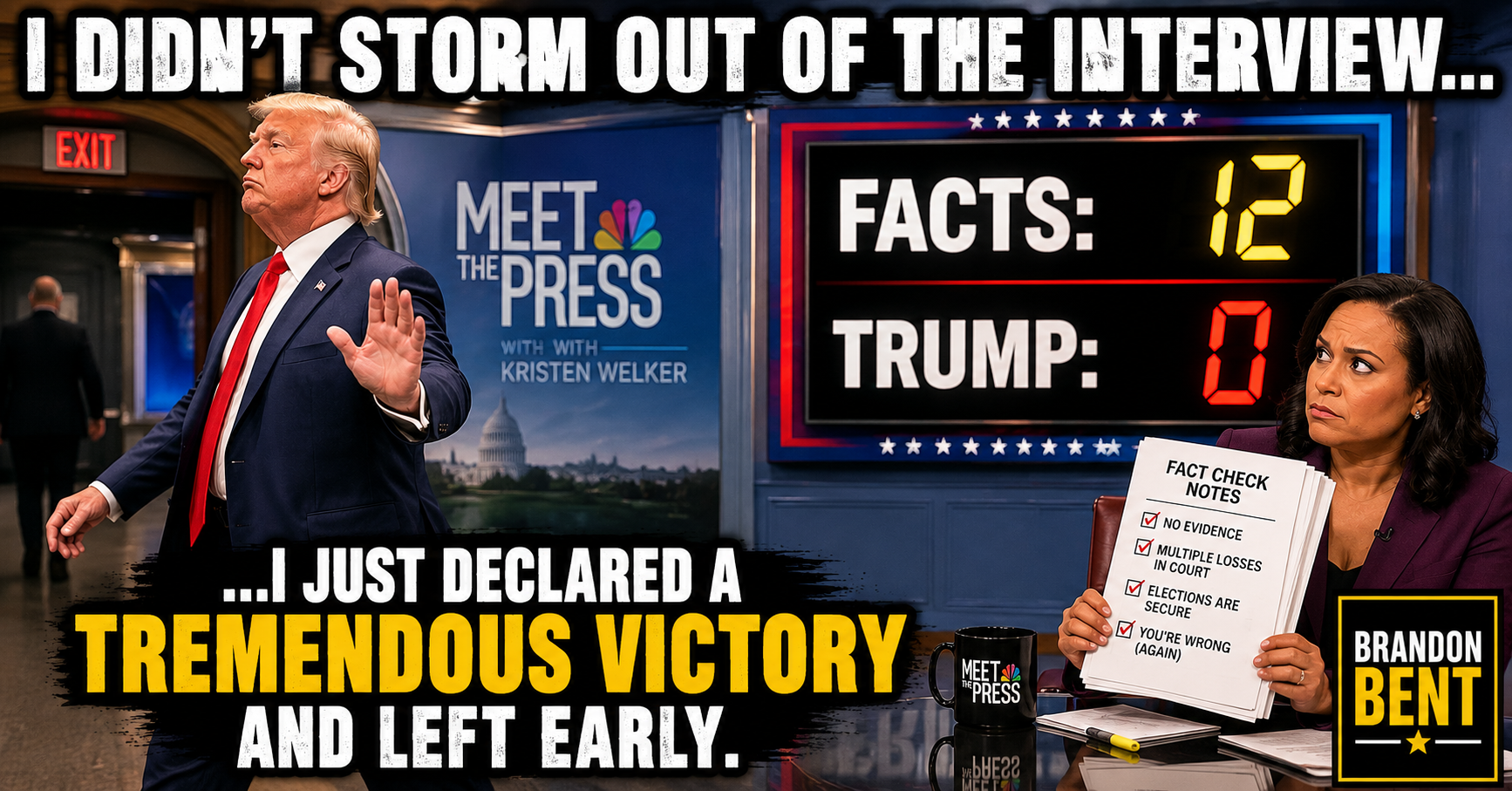


In recent weeks, former President Donald Trump has reignited his campaign narrative of being the world’s ultimate deal-maker—this time claiming to have “solved six wars in six months.” These Trump war claims have sparked widespread debate, with both domestic and international critics questioning the substance behind Trump’s declarations.
Trump has taken center stage at campaign events and on social media, where he insists his foreign policy acumen has brokered unprecedented peace. From the Oval Office to public rallies, he describes mediating several global conflicts, including what he called a “potential nuclear disaster” in South Asia and ceasefires in hotspots stretching from the Middle East to Eastern Europe.
What Exactly Did Trump Claim?
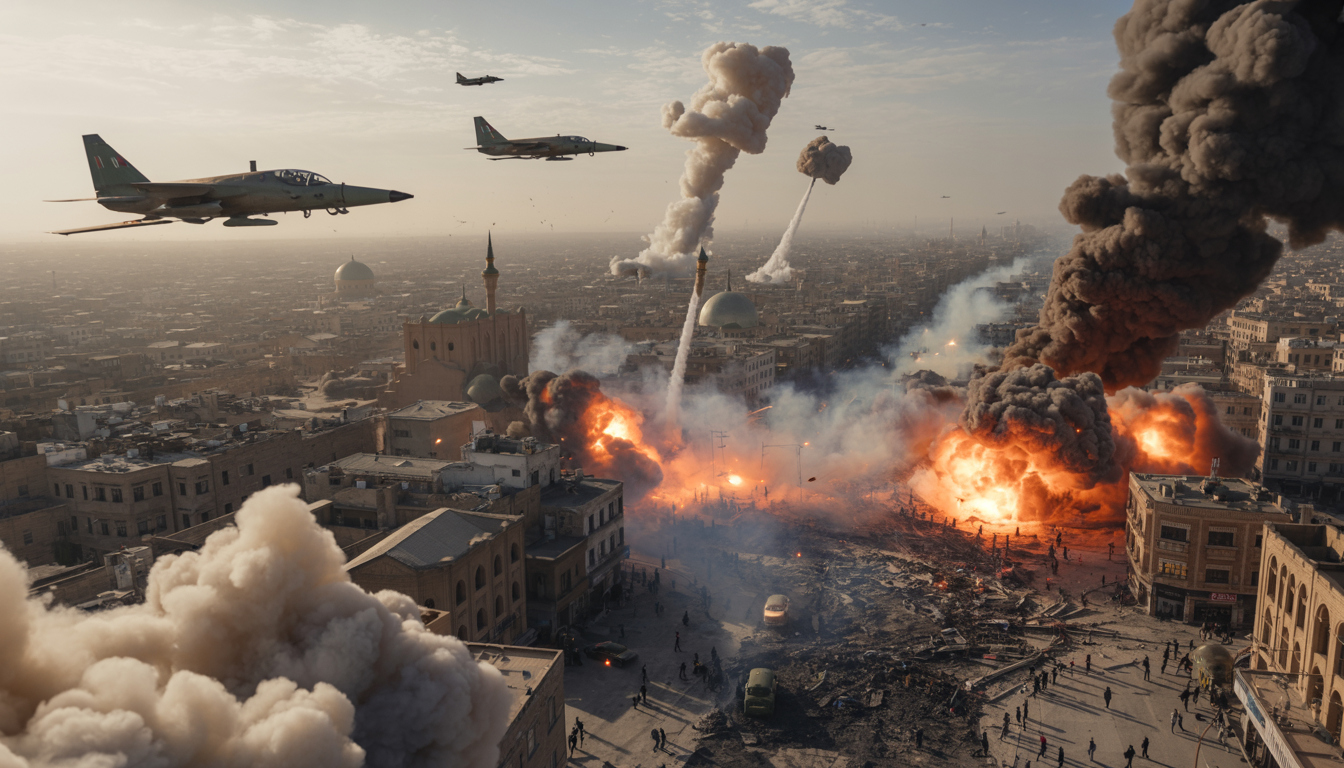
Trump’s central message is straightforward: he was the architect of peace in six different conflict zones in just half a year. He cites involvement in disputes between India and Pakistan, Israel and Iran, Cambodia and Thailand, DRC and Rwanda, Serbia and Kosovo, and Egypt and Ethiopia. Trump asserts that he helped orchestrate or mediate resolutions, thereby averting disasters that previous administrations could not.
He specifically referenced the May ceasefire allegedly brokered between India and Pakistan as averting “planes being knocked out of the air” and avoiding nuclear escalation. However, Indian officials have repeatedly stated that Trump exaggerated his involvement, insisting the ceasefire was arranged independently.
On Ukraine, Trump continues to distance himself from responsibility for Russia’s ongoing war, arguing that it would “never have happened” had he remained in the White House. He attributes the current state of affairs to his successor, while touting his own proposal for a quick negotiated peace—though little evidence exists that such a solution has advanced on the ground.
Reality Check from Diplomats and Analysts
Despite Trump war claims, foreign policy experts say his role in these “six wars” is often exaggerated. Analysis by major outlets and independent watchdogs points out that most of the ceasefires or deals Trump claims credit for are temporary and, in some cases, highly disputed in their origins or effectiveness.
For example, a limited ceasefire between Russia and Ukraine was brokered earlier this year with help from the U.S. administration, intended to halt attacks on energy infrastructure for one month. While framed by Trump as a major breakthrough, critics note the pause mainly benefitted Russia, which used it to resupply and reposition. Meanwhile, attacks have since resumed, and Ukraine’s government remained cautious, calling for “stability, continuity, and predictability” in future U.S. involvement.
Similarly, fighting in conflicts like Egypt and Ethiopia over water rights continues, and the agreements Trump cites as his own legacy are either partial or have seen little lasting peace. Some leaders, like those in Serbia and Kosovo, even question whether war was truly imminent at all.
Why Trump’s Rhetoric Matters
Trump’s brand as a “peacemaker-in-chief” plays well with his base, particularly in the midst of heightened global instability. The image of a strongman who can keep America out of new wars appeals to voters seeking reassurance. On BrandonBent.com, readers can find deeper analysis of how political figures use narratives like these to frame elections.
At the same time, critics and fact-checkers warn that such broad Trump war claims risk oversimplifying and misrepresenting complex international dynamics. An analysis published in July noted that while Trump deserves some recognition for leveraging U.S. pressure to encourage talks, his version of history glosses over ongoing violence and unresolved grievances.
International Response and the Path Forward
As the world watches renewed missile tests in North Korea and shifting alliances in Europe and the Middle East, Trump’s boastful war claims are drawing mixed reactions on the world stage. Some leaders, such as Ukraine’s Volodymyr Zelenskyy, have welcomed increased U.S. support but remain wary of promises that may not materialize. Others, like officials from India and Serbia, push back on Trump’s narratives outright.
Voters and policymakers alike must weigh these competing stories as election season progresses. For readers interested in the broader history of political narratives, see our deep dive: The Role of Political Myths in U.S. Elections. A global tracker on international ceasefires can be found at CFR.org.
Sources